Panorama
Panorama is a current affairs programme, featuring interviews and investigative reports on a wide variety of subjects.




Panorama is a current affairs programme, featuring interviews and investigative reports on a wide variety of subjects.
Over half of UK households have a pet, but vet bills have rocketed in recent years, increasing by almost 50% since 2020. Richard Bilton investigates why they have become so much more expensive.
As the cost-of-living crisis continues, millions are leaning on credit cards to make ends meet. Are regulators doing enough to protect us from getting into debt?
It's been called the worst miscarriage of justice in British history. Hundreds of postmasters were wrongly prosecuted after money vanished from the Horizon computer system. But who's really to blame?
Panorama follows a year in the life of the BBC's Russia editor, Steve Rosenberg, and his work reporting from one of the most hostile places in the world to be a journalist.
Reporter Frankie McCamley traces the lives of two teenage boys who were murdered in south London, and follows the mothers who are left behind and now want answers about what happened to them.
Reporter Bronagh Munro investigates why Omar Benguit has spent 23 years in prison for murder when there is no CCTV or forensic evidence linking him to the crime.
Reporter Bronagh Munro investigates the spiralling costs of the health-related benefits system and asks whether it is fit for purpose.
As Silicon Valley plans massive changes in the workplace, reporter Richard Bilton investigates the rise of the robots and what it could mean for all of us.
As the conflict in the Middle East intensifies, Jane Corbin investigates the origins and aims of the US/Israeli offensive against Iran that could reshape the region.
Will assisted dying ever happen in the UK, and how would it work if it did? The BBC's medical editor, Fergus Walsh, talks to leading supporters and opponents.
With the cost-of-living crisis still squeezing household budgets, Colletta Smith investigates the consequences for communities, jobs and everyday life.
Two years ago, the government banned XL bully dogs, promising it would save lives. Panorama investigates whether that commitment has been kept.
President Trump's crackdown on immigration has led to a big drop in the number of migrants illegally crossing the border. Are his tough policies working?
Judith Moritz examines how abuse, intimidation and violence aimed at Jewish communities has become more widespread, leaving many British Jews feeling fearful and under threat.
Shockwaves from the Iran War have already been felt in the UK, with fuel prices rising and interest rates on hold. Rahil Sheikh meets families and businesses feeling the squeeze.
 E16
E16
Cute, funny, and sometimes surreal, AI-generated videos are flooding our social media feeds, but behind the dancing dogs and talking fruit lies a far darker world. In this Panorama investigation, reporter Marianna Spring explores how AI slop is shaping what we see, what we believe and who we can trust. From scam adverts and cloned voices to deepfake fraud, political manipulation and racially charged disinformation, the programme reveals how cheap and easily available AI tools are being weaponised. We ask, in the age of artificial intelligence, will seeing ever be believing again?
 E17
E17
Married at First Sight UK is one of Channel 4's biggest shows, in which complete strangers marry in a mock-wedding and cameras follow what happens next. Panorama investigates allegations that raise serious concerns that welfare procedures on the reality show have failed contributors, leaving them at risk of harm. Noor Nanji speaks to three women who allege sexual misconduct by their former on-screen husbands. Two of the women say they were sexually assaulted. The men deny all the allegations against them, and both Channel 4 and CPL - the independent production company that makes the series - say the welfare protocols are robust and comprehensive. Following this Panorama investigation, Channel 4 has announced an external review into contributor welfare and has removed all previous seasons of MAFS UK.
As families demand answers for failures in maternity services, Panorama investigates how systemic neglect, inadequate staffing and a reluctance to learn from mistakes have led to heartbreak.
 E1
E1
Adrian Chiles investigates the extraordinary rise of electric bikes on our streets and what that means for drivers, pedestrians and cyclists.
 E2
E2
The new generation of weight loss drugs is now available on the NHS and Panorama has exclusive access to one of the UK's top hospitals as it rolls out Wegovy, also known as Ozempic.
 E3
E3
Since the Covid-19 pandemic, the way we work has been transformed, with many more of us working from home. But is that good for us, and is it good for the economy?
 E4
E4
With huge clean energy projects stirring anger across Britain, Justin Rowlatt meets the people taking sides in the battle over rewiring Britain.
 E5
E5
Panorama investigates the condition of rented properties in the UK. The government says that in England alone the health of two million people is under threat from mould.
 E6
E6
It was a crime that horrified the nation. Three young girls murdered and another eight seriously injured at a Taylor Swift yoga and dance workshop. Reporter Judith Moritz meets survivors of the attack
 E7
E7
As the war in Ukraine reaches its third anniversary, the new US president says he's the man to get a peace deal between Russia and Ukraine. But just how realistic is that?
 E8
E8
On 7 January 2025, wildfires engulfed parts of Los Angeles. Panorama examines how climate change and claims of underfunding for public services collided, producing a perfect storm.
 E9
E9
Branwen Jeffreys meets with families and teachers to find out how they are helping some of the youngest children impacted by lockdown to catch up on their education and social development.
 E10
E10
Alison Holt speaks to the doctors, researchers and frontline staff transforming their parts of the NHS to deliver better care.
 E11
E11
Around 600,000 people a year report online stalking and harassment to the police in England and Wales. So, what does it feel like to be a victim? Panorama investigates one extraordinary case.
 E12
E12
For fifteen years, reporter Steve Brodie has been following the cases of dozens of entrepreneurs who say Lloyds Bank failed their businesses and ruined their lives.
 E13
E13
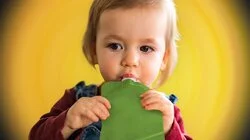
Catrin Nye reports on how some baby food in plastic pouches are worryingly low in essential vitamins and minerals, while others contain more sugar than the NHS recommends for infants.
 E14
E14
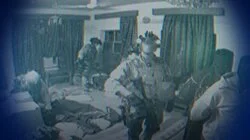
The SAS has been accused of committing war crimes in Afghanistan. For the first time, special forces troops tell Panorama what happened during night raid operations. With Richard Bilton.
 E15
E15
More than 100,000 children train at swimming clubs across England, many hoping one day to compete at the Olympics. But do those dreams of gold medals come at too high a price?
 E16
E16
Ros Atkins sets out to discover the truth about how our money is spent and why politicians keep running into trouble when they try to cut spending.
 E17
E17
Millions of us enjoy the thrill of the funfair. But how safe are the rides we're getting on? Reporter Rahil Sheikh investigates, talking to industry insiders and those who've been injured in accidents. Is the current safety regulation system working, and can we trust the funfairs which are a feature of the British summer?
 E18
E18
Marianna Spring investigates the rise of health conspiracy theories. Are social media companies' algorithms pushing potentially harmful content at vulnerable patients?
 E19
E19
As America joins Israel to prevent Iran from making a nuclear weapon, the conflict in the Middle East risks further escalation. Reporter Nawal Al-Maghafi examines what might happen next.
 E20
E20
Reporter Lucy Vallance goes undercover at one of the UK's biggest estate agencies to investigate claims it's not acting in the best interests of customers.
 E21
E21
Cyberattacks are on the rise. Reporter Richard Bilton investigates the online crimewave and meets the secret agents trying to stop the hackers.
 E22
E22
Why are so many people taking ketamine? Hazel Martin talks to users, those being treated in detox and rehab, and doctors being inundated by young patients in need of help.
 E23
E23
A year on from the riots that followed the Southport attack of July 2024, Darragh MacIntyre talks to those who took part about how they account for their actions.
 E24
E24
Lucy Letby was found guilty of unimaginable crimes. But some experts say there was no evidence to support her conviction. Judith Moritz investigates.
 E25
E25
Richard Bilton investigates the high-end jewellery stores – and the man behind them – that left investors who ploughed £170 million into the business with nothing.
 E26
E26
Investigative documentary series revealing the truth about the stories that matter.
 E27
E27
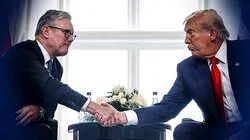
On the eve of President Trump's unprecedented second state visit to Britain, Jane Corbin looks at the state of the historic special relationship between the US and the UK.
As the UK prepares to officially recognise a Palestinian state at the United Nations, Panorama and BBC Eye investigate the desperate shortages of food in Gaza and the allegations of war crimes.
Asylum hotels have dominated the news this summer, sparking protests, dividing communities, and forcing the government to promise quicker action. But what's the truth about them?
Secret filming by Panorama reveals evidence of racism, misogyny and officers revelling in the use of force at one of London's busiest police stations, Charing Cross.
EastEnders actor Kellie Bright meets parents who say they're exhausted by the fight to get the right education for their autistic children.
The government's made a very big promise: to build 1.5 million new homes in England by 2029. Anita Rani and Justin Rowlatt travel the length of the country to find out if it can be done.
After two devastating years of war, there is now a fragile ceasefire in Gaza. But will it lead to a lasting peace?
Silicon Valley's original disruptors didn't just change technology – they rewired politics. Panorama investigates the 'PayPal Mafia' and their influence on Donald Trump's rise to the White House.
Britain faces a huge challenge in its relationship with China: can it do business with a rising superpower while keeping the UK safe? Celia Hatton reports.
Reporter Catrin Nye reveals how PFAS can affect health and contaminate the environment, and she asks if the UK government is doing enough to keep us safe.
The UK is plagued by potholes. They can cost drivers dear, injure and even kill. So why are there so many, and why are councils struggling to stay on top of the problem? Richard Bilton investigates.
Panorama goes undercover to investigate the pressures of working in an Evri delivery unit, speaking to unhappy customers and couriers who say they struggle to make a living.
Only one in 20 crimes in England and Wales result in someone being charged. Bronagh Munro meets the victims left to investigate their own crimes and seeks the criminals who have escaped justice.
A new generation of anti-obesity drugs are being hailed as game changers for the NHS and for millions of patients. Is the NHS ready for a revolution in treating obesity?
An investigation into the state of British school buildings where headteachers are struggling to keep their students safe and children are learning in gloves due to extreme cold.
The Care Quality Commission has said that maternity services at a trust in Gloucestershire are inadequate. Panorama has calculated that maternal deaths there are almost double the national average.
Richard Bilton investigates sudden unexplained deaths in children and looks at the research trying to find out why they happen.
Fergus Walsh follows patients with Alzheimer's disease who have been taking two new drugs that have been shown to slow down its progression. Is this a turning point in its treatment?
Following the attacks of 7 October 2023, Israel has vowed to destroy Hamas. But can it? John Ware investigates Hamas' network outside Gaza, uncovering a web of financial enablers.
Panorama investigates Royal Mail, hearing from whistleblowers and the service's senior management who believe the postal system must change if Royal Mail is to survive.
Justin Webb and Marianna Spring travel from the frozen plains of Iowa to the swing state of Georgia to explore Donald Trump's enduring appeal and look ahead to an unprecedented American election year.
Reporter Rory Carson meets the caravan park residents who say they have been mis-sold their properties and falsely promised they could stay in them for the rest of their lives.
Alison Holt reports on how spiralling care costs for children, the elderly and homeless people are threatening to push the councils across the UK into the red.
Ros Atkins explores how net migration to the UK has hit record levels, when the government promised in the wake of Brexit that immigration would be lower.
With more than six million people in England alone waiting for an operation on the NHS, Monika Plaha investigates the safety record of one of the UK's biggest private healthcare providers.
The government says new technology will make existing stretches of smart motorway safe. But what happens when the technology doesn't work? Reporter Richard Bilton investigates.
Jim Reed meets the families of some of the 380 children with bleeding disorders who were infected with HIV, to discuss their campaign for justice and what they hope for from the inquiry.
Panorama goes undercover in the Probation Service, revealing how easy it is for convicted criminals to go on the run and that drug tests and regular room searches are not being carried out.
Panorama investigates what happened to Ruja Ignatova, dubbed the 'Missing Cryptoqueen' and accused of defrauding investors to the tune of USD4.5 billion before she vanished.
Panorama investigates a school for children with special educational needs where pupils are mocked, bullied and physically abused.
Rahil Sheikh tries to discover what's causing Britain's child health crisis and what can be done to fix it. Keir Starmer has promised his new government will tackle it, but it won't be easy or cheap.
Labour is back in power with a big majority and some big promises. Laura Kuenssberg follows Labour's first days in office. They say the country is broken, so can they fix it?
In June 2023, Barnaby Webber, Grace O'Malley-Kumar and Ian Coates were stabbed to death by Valdo Calocane. Reporter Navtej Johal investigates his history of mental ill health and the care he received.
Darragh MacIntyre reports from some of the towns and cities most affected by the recent riots in the UK and asks what can be done to prevent such violence from happening again.
What happens when smartphones are taken away from kids for a week? With the help of two families and lots of remote cameras, Panorama finds out.
Oana Marocico returns to her home country to investigate Andrew and Tristan Tate's Romanian webcam business and speaks to women who claim they've been abused by the brothers.
HS2 was meant to be the railway of the future, but more than a decade on the project is mired in uncertainty. Richard Bilton investigates what went wrong.
As the cost-of-living squeeze affects many, supermarkets say they're doing what they can to help customers save money, offering discounts and promotions. But how good are these deals? Michelle Ackerley investigates whether some supermarkets are being good to their word, with claims of matching the prices of discounters like Aldi and packaging that seems to disguise the true size of goods. She reveals how some dog food hasn't got much meat in it, some coconut milk has little coconut in it, and some chicken nuggets don't have much chicken in them at all.
Kirsty Wark investigates the multi-billion-pound global menopause industry promising women relief from often debilitating symptoms if they buy specially branded supplements, teas and even pyjamas.
Jane Corbin has been following four families, two in Israel and two in Gaza, whose lives have been changed forever by the conflict between Israel and Hamas.
Revolut is a UK business success story. Founded almost a decade ago and offering online payments and foreign currency services, it's expanded rapidly and is now valued at around £35 billion. Revolut was granted a provisional banking licence in the summer of 2024, but it's also the financial ombudsman's most-complained-about financial institution for fraud.Reporter Catrin Nye investigates the stories of Revolut customers who say scammers took tens of thousands of pounds from their accounts and that Revolut failed to protect them. Revolut says it takes fraud ‘incredibly seriously' and that it has invested heavily in both detecting fraudulent activity and preventing its customers from being embezzled.
Former nurse Lucy Letby was convicted of harming and murdering babies in her care. Now, a growing number of experts are questioning the prosecution's evidence.
For the past two years, Panorama has been following some of Donald Trump's most ardent supporters. They tell Panorama why they want him to get a second chance in the White House.
With exclusive access to the parents of Chris Kaba, who was shot dead by armed police, Panorama investigates what happened on the night of the fatal shooting.
Smart meters are supposed to make paying our energy bills easier and cheaper. But is that the whole story?
Richard Bilton meets the scientists trying to save the world from the consequences of climate change and investigates whether they can really make a difference.
BBC journalist Hazel Martin goes on a personal journey to find out why alcohol-related deaths from liver disease among women under 40 have risen sharply over the last decade.
Runako Celina investigates whether products made using forced Uyghur labour in the Chinese province of Xinjiang could be ending up on the shelves of some of the UK's biggest supermarkets.
Reporter Joe Crowley investigates how Severn Trent hits environmental targets while dumping large quantities of sewage and asks whether there is more to the company's finances than meets the eye.
Reporter Bronagh Munro investigates how the Telegram app, owned by Russian billionaire Pavel Durov, can be used to spread harmful and dangerous content.
The NHS is in a critical condition. As hospitals struggle with soaring demand, increasing waiting times and their biggest ever workforce crisis, Panorama investigates what can be done to fix the health and care system. We're an ageing population, living with more long-termhealth conditions. After years of underfunding, the Covid pandemic has exposed the scale of the crisis. The BBC's social affairs editor, Alison Holt, assesses the innovation and new ways of working that might offer the NHS the lifeline it needs. She meets the patients getting hospitaltreatment at home, and the doctors, nurses and care staff desperate for change.
Panorama goes undercover to reveal the increasingly close relationship between organised crime and dog dealing. Reporter Sam Poling infiltrates a network of dealers making millions by breeding dogs to extremes. She exposes how some drugs dealers have switched from dealing narcotics to dealing dogs, and shows how the growing popularity of breeds like American and French bulldogs has led some breeders to resort to cruel and dangerous tactics.
Health workers, hailed as heroes during the pandemic, say they're being abandoned by the NHS and the government. Some are living with long Covid and say it's having a devastating impact on both their personal and professional lives. For Panorama, the BBC's health correspondent, Catherine Burns, meets staff struggling to return to work and reveals how some are now facing financial hardship and the prospect of having to retire early or, worse, being sacked.
We all love the Cloud. It stores our pictures and emails, it powers our internet searches, and it helps us stream movies and box sets. But out of sight, the cloud depends on processing factories - vast data centres that use enormous amounts of power and water. Every time we go online, we increase its carbon footprint. Richard Bilton investigates the growing environmental problem we're all responsible for.
More than 30,000 people are known to have been killed in the earthquake that devastated Turkey and Syria last week, and the death toll is expected to increase. With the help of teams from BBC Turkish and BBC Arabic, Panorama follows survivors and rescue workers from both sides of the border, and asks if more could have been done to save lives.
PG Tips and Lipton are world-famous tea brands. Now, an undercover investigation for Panorama reveals that women working on plantations producing their tea are being pressured to have sex with their bosses in return for work. The investigation focuses on plantations that have been owned for years by two British companies – Unilever and James Finlay & Co – who between them have produced half the tea drunk in the UK. Reporter Tom Odula has spoken to dozens of women who say they have been sexually assaulted or harassed, while undercover footage reveals how one young woman was targeted for sex at a job interview.
When Russian forces invaded Ukraine in February 2022, Panorama asked five Ukrainians to start filming their lives. The result is a powerful documentary marking the first anniversary of the war through shocking and heartwarming personal stories.Featuring people from across Ukraine, including a female paramedic experiencing the brutality of life on the frontline, a TV presenter who rescues civilians under fire, a19-year-old army volunteer, a wedding photographer turned war photographer, and a young couple swept up in the horror of their home town being occupied by Russian forces.
Crisis pregnancy advice centres are supposed to help women with unplanned pregnancies. But a Panorama investigation reveals evidence that some clinics operating outside the NHS are giving misleading information, and offering counselling that could persuade women not to have abortions. Reporter Divya Talwar also uncovers links between some UK centres and the anti-abortion movement in America.
When one of the world's richest men bought Twitter, almost everything there changed. Thousands of staff were sacked and users previously banned for breaking Twitter's rules were reinstated. Panorama investigates how Elon Musk's ownership is transforming one of the world's most influential social media platforms. Reporter Marianna Spring speaks to current and former insiders in San Francisco and the UK and reveals how hate and misogyny are thriving under the new owner.
Every year, scammers steal billions from the public, and fraud now represents around 40 per cent of all reported crime in the UK. Over the last year, Panorama has had exclusive access to Kent Police as their detectives try to catch the fraudsters. With more than 10,000 reports of fraud in the county last year, they estimate that only around 20 cases were solved. The programme explores why so few cases are prosecuted and shows how fraudsters target the vulnerable, often using sophisticated techniques to dupe victims into handing over their cash.
Millions of people in the UK feel like they've had a pay cut, with wages often not keeping up with the cost of living. As public sector workers continue to take strike action, the BBC's Analysis Editor Ros Atkins asks why so many people are feeling so poor. He returns to Cornwall, where he grew up, to meet families struggling to make ends meet in what has become one of the country's most deprived areas. The government says the pandemic and the war in Ukraine are the key drivers of the cost-of-living crisis, but Ros discovers problems stretching much further back and asks whether we are getting the full story about the extent of the challenges facing the UK economy.
Millions of council houses were built after the war to help protect people from slum landlords. They used to be home to around a third of the UK population. Margaret Thatcher's flagship right-to-buy policy boosted home ownership, but the council house sell-off is causing major problems 40 years on. Many former council properties are now in the hands of private landlords. In some parts of the country, rents are going through the roof, and slum landlords are back. Reporter Richard Bilton investigates what's been happening, by telling the story of one housing estate in London.
When Olivia Pratt-Korbel was shot dead in her home, the nine-year-old became the youngest victim of Liverpool's drug wars. There have been dozens of deaths in the city as rival gangs fight for control of the lucrative drug trade. Reporter Bronagh Munro investigates how the city came to dominate the UK drug market and how organised crime brought death to Olivia's door.
Justin Rowlatt reports on plans to reduce traffic through Low Traffic Neighbourhoods, in what has become a battle between those who support the scheme and those who do not.
As the nation prepares for the coronation of King Charles III, Panorama asks if the new king will adapt the monarchy to suit modern times. In recent months, the royal family has come under unprecedented attack from Prince Harry and there has been discussion of a slimmed-down, more transparent, more inclusive monarchy. Jane Corbin drills down into the sometimes opaque structures and finances that surround the monarchy. And with an exclusive opinion poll, Jane asks both supporters and critics what change might be possible and if it is on the cards.
There has been a sharp increase in the number of adults who think they have attention deficit hyperactivity disorder (ADHD). The NHS has been overwhelmed by the number of patients looking for a diagnosis. Now thousands of people are turning to private clinics for assessment instead.Panorama reporter Rory Carson poses as a patient to reveal some clinics charging large fees for a short online consultation, as well as evidence suggesting that diagnoses are being handed out to almost everyone who books an appointment.The programme also reveals clinics prescribing powerful drugs without carrying out proper checks.
Every year, millions of tonnes of waste are dumped in landfill sites, but how safe are they? Reporter Amber Haque investigates a Staffordshire landfill which residents claim has affected their health and examines the potentially toxic legacy of historic landfill sites.
The UK is facing a chronic illness epidemic, with diabetes rates at record levels and cancers in young people rising steeply. Now, there's growing evidence suggesting this could be linked to the food we eat. Ultra-processed convenience foods contain chemicals that UK regulators say are safe, but Panorama investigates emerging scientific evidence of a link between some of these chemicals and cancer, diabetes and strokes.
With the sale of new petrol and diesel cars to be banned in less than seven years, Richard Bilton finds out what the electric vehicle revolution feels like and if the UK is ready.
Panorama examines whether the current generation of antidepressant drugs have lived up to their promises, following patients who have suffered serious side effects.
From spy balloons to secret police stations and dissidents on the run, Panorama investigates China's global surveillance operation.
Parliament is once again under fire over complaints about sexual harassment and bullying, with MPs suspended from their parties and claims of a toxic workplace culture going unchecked. Reporter Naga Munchetty speaks to staff members and MPs who give their accounts of sexual harassment and bullying. Exactly five years after parliament set up a new system to deal with complaints, many of those campaigning to clean up the House have lost faith in it, saying it is too slow and complex.
As the cost of living crisis deepens, figures suggest almost 13 million people in the UK are falling behind on their bills and struggling with their debts. Panorama investigates the booming debt management industry and the companies signing up people for Individual Voluntary Arrangements. IVAs allow clients to pay off their debts in instalments, but reporter Lora Jones discovers that some vulnerable people have experienced high-pressure sales tactics, and others are charged fees they struggle to pay.
A series of disastrous investments has left Thurrock Council effectively bankrupt. Services are being cut and council tax raised to try to cover the second biggest deficit ever run up by a local authority. Most of the council's cash was invested in one man's business. Liam Kavanagh promised his solar farms would provide a safe return, but his companies have been wound up and the council faces big losses. Reporter Bronagh Munro reveals how the millionaire businessman spent council cash on himself and left local people to pay the price.
Reporter Lara Lewington speaks to some of the so-called 'godfathers' of AI about their hopes and fears, and she meets researchers developing technology allowing computers to read emotions and minds.
Lucy Letby has been convicted of murdering and harming babies. So what turned a likeable nurse into a serial killer? Reporter Judith Moritz reveals evidence of a cover-up by hospital bosses.
Vaping among Britain's teenagers is on the rise and there's growing concern some companies are targeting under-age vapers. So, should we be worried about young people getting addicted? Rachel Burden investigates the youth vaping phenomenon and talks to young people, parents, and experts about how to tackle it.
Panorama investigates claims of bullying and body shaming at two of the UK's top ballet schools, The Royal Ballet School in London and Elmhurst Ballet School in Birmingham.
Panorama explores the breakneck rise and sensational fall of Sam Bankman-Fried, the maths genius who set out to transform the world of crypto but ended up being its biggest loser.
Panorama investigates allegations of exploitation and abuse at the top of one of the biggest fashion brands in the US. Former CEO Mike Jeffries transformed Abercrombie and Fitch from a failing retail chain to a multibillion-dollar empire and the epitome of cool. Now, after months of painstaking investigation, reporter Rianna Croxford speaks to men who say they were recruited into a dark world, created to satisfy the sexual fantasies of Mike Jeffries and his British partner Matthew Smith. Silenced for years by the fear of breaking non-disclosure agreements, these men describe feeling exploited and traumatised by their experience. One high-profile American lawyer has called for prosecutors to investigate.
The BBC's cost of living correspondent Colletta Smith meets the homeowners feeling the squeeze as they come off cheaper fixed-rate mortgages and adjust to much higher bills.
Jane Corbin investigates what really happened during the mutiny led by Yevgeny Prigozhin and asks what the long-term consequences might be for Putin's presidency.
Panorama reports on the conflict between Israel and Hamas. Reporter Jane Corbin hears the human stories on both sides and asks what does the escalating crisis mean for the wider region?
It's been 16 years since the disappearance of Madeleine McCann. Richard Bilton travels across Portugal and Germany to find out more about the man suspected of abducting and killing her.
Fast fashion giant Boohoo faced serious criticism in 2020 for poor working conditions at its suppliers. A Panorama investigation reveals renewed pressure to slash costs.
Richard Bilton investigates why oil, coal and gas exploration is booming when almost every country in the world has committed to limit the rise in global warming to 1.5 degrees.
The Ukrainian government says that thousands of children have been taken unlawfully to Russia. Panorama investigates what happened to more than 40 children taken from a children's home in Kherson.
Since Nicky Campbell went public about the abuse he experienced at school in the 1970s, he's become the face of a campaign by former pupils. They are determined that one teacher should face justice.
Water companies are dumping huge quantities of sewage in our rivers every year. So why do some of the worst offenders have such good environmental ratings? Reporter Joe Crowley investigates.
With more than 30 branches in the UK, the Universal Church of the Kingdom of God claims to transform lives. But Panorama uncovers allegations that members can feel manipulated into handing over money.
Panorama investigates a care home short of staff, where external medical professionals report seeing residents neglected, and overseas staff complain of being exploited.
Two years since the start of the pandemic, the NHS is facing a new Covid crisis. The latest coronavirus variant, Omicron, is producing the biggest wave of infection yet, adding to the normal winter pressures and a waiting list that now stands at nearly six million in England.Panorama reporter Jane Corbin returns to University Hospital Coventry, where she was when the pandemic first hit, to see how it is coping now with a surge in cases and a shortage of beds and staff.
Cars are safer than they have ever been, so why are Britain's roads becoming more dangerous? For the first time in a generation the fatality rate, the number of deaths per mile, is on the rise. Reporter Richard Bilton investigates the increased risks we face when we get behind the wheel and asks whether weaker policing could be to blame.
Rory Carson investigates how anti-social behaviour blights communities across Britain and discovers how hard it can be to get help.
Downing Street parties have led to the greatest crisis of Boris Johnson's career. Tracing other recent scandals, John Ware asks what 'partygate' says about the prime minister's character.
John Simpson goes back to Afghanistan to explore the shocking unravelling of a country he has been reporting on for more than 40 years.
Is animal welfare being compromised in the drive to keep milk prices low? Reporter Daniel Foggo speaks to farmers and vets about the lives most dairy herds can expect to lead.
The best way to win the battle against Covid is to vaccinate the whole world, but in poorer countries not enough people are getting the jab. Bronagh Munro investigates why.
Michael Buchanan reports on repeated failures in maternity care at hospitals in Shropshire. Many babies died whilst others were left with life-changing injuries.
Four days after Russian tanks rolled into Ukraine, Panorama reports on the conflict. With Paul Kenyon in Kyiv and Jane Corbin in London, the programme asks what lies behind Putin's invasion, and how Ukraine and the rest of the world have responded.
Chelsea-owner, Roman Abramovich, has been sanctioned by the UK government for his ties to Vladimir Putin. But where did the Russian billionaire's money come from? Panorama reporter Richard Bilton travels to Siberia to investigate the corrupt deals that made his fortune. He uncovers new details about Mr Abramovich's murky past and his relationship with the Kremlin.
For almost a month, Ukraine has fought off one of the world's super-powers. Can it hold on and repel President Putin's forces? Panorama's Paul Kenyon reports from the frontline in southern Ukraine. In Mykolaiv, he finds a city on the brink, fighting hard not to become encircled by Russian forces and face the same fate as the besieged city of Mariupol. On the Black Sea coast in Odesa, he finds a city bracing itself for the worse. With exclusive footage from inside nearby Kherson, which has already fallen into Russian hands.
Panorama is on the frontline with Derbyshire Police to investigate why only one percent of reported rapes in England and Wales results in a conviction. For more than 18 months, the film follows five people who've reported rape and the detectives investigating their cases as they journey through the criminal justice system. They include 'Sam' who says she was raped by a stranger after a night out, and two sisters who say they were repeatedly raped by their father as children and whose case has already been turned down by the Crown Prosecution Service.
Britain is feeling the squeeze. With inflation rising to its highest rate for 30 years and energy bills spiralling, households across the country are having to make do with less. So how are people coping? Panorama follows three families, as they try to cope with what is predicted to be the biggest fall in living standards since the 1950s.
Eighteen months after the prime minister launched his strategy to help the nation lose weight, EastEnders actress Clair Norris, who is overweight herself, wants to know if it is working. One in four adults in the UK are currently living with obesity, a health risk highlighted by the Covid-19 pandemic. Clair meets teenagers on a weight management scheme in Sheffield, a man-versus-fat football team in Norfolk, and a dancer running classes for plus-size women. She delves into the complex reasons why some people find it difficult to lose weight and asks if you can be overweight and stay healthy.
Levelling up is one of Boris Johnson's flagship policies. It's intended to improve the quality of life for millions of people who live outside London and the south east by investing in local communities and infrastructure. Billions of pounds have been allocated for high streets, transport links and skills. For Panorama, the BBC's new political editor Chris Mason returns to his home county of Yorkshire to find out what the residents of Barnsley think of the policy.
With more children in care in England than ever before, and the government about to publish a report on the deaths of two toddlers at the hands of their parent's new partners, Panorama investigates how social workers make critical decisions about children's lives.Granted rare, exclusive permission from the family courts, reporter Louise Tickle hears from families who have been damaged by decisions made by one local authority. With the government pushing social workers to step in earlier than ever, what happens if they go too far, too fast?
As Ukrainians return to areas once under Russian control, they are uncovering evidence of war crimes. Panorama's Paul Kenyon travels to Kyiv to investigate the elite Russian units he encountered on the firstday of the war. He hears allegations of looting and murder and speaks to witnesses who lived through the occupation.Tracking the soldiers east he visits a frontline town from where Ukrainian forces are launching counterattacks against troops who had previously occupied the suburbs of Kyiv.
Mobeen Azhar investigates TerraCycle's green credentials and its relationship with major brands.
Panorama investigates Britain's biggest GP network. US owned Operose Health provides GP services to the NHS, with 70 surgeries from Leeds to London and more than half a million registered patients. Reporter Jacqui Wakefield reveals a shortage of GPs, some less qualified medical staff working without adequate supervision and a backlog of important patient paperwork.
Thirteen-year-old Olly Stephens left home for the final time on a Sunday afternoon in January 2021, telling his parents he was meeting a friend nearby. Fifteen minutes later, he had been murdered. Lured out by a teenage girl and stabbed to death by two teenage boys she had met online, the entire attack was planned on social media and triggered by a dispute on a chat group. With exclusive access to Olly's parents Amanda and Stuart, Panorama reporter Marianna Spring investigates the violent and disturbing world their son had been exposed to online and follows their campaign for tighter regulations on harmful content.
Panorama has spent the last year with young journalists and protestors as they live through the most turbulent period in Hong Kong's recent history. When the British government transferred sovereignty back to China 25 years ago, it promised to protect freedom of speech, but new laws have effectively silenced all criticism. Street protests have all but stopped, pro-democracy lawmakers have been replaced by Beijing loyalists and Hong Kong's new chief executive is its former security chief, who led the crackdown. Reporter Danny Vincent has been following those who've lived through the street protest movement, both as activists and reporters, many of whom are now in prison.
With unique access to the biggest mental health service in the UK and some of its young patients, Panorama reveals the challenges faced daily by clinicians as demand for services reaches unprecedented levels in the wake of the pandemic. In 2017 it was estimated that one in nine young people had a diagnosable mental health condition. Now it's thought to be one in six.Dealing with growing waiting lists, staff shortages and more young people turning up at A&E in crisis, staff at the South London and Maudsley NHS Trust open up about the pressures they face, whilst four young people with a range of complex needs and their families offer a rare insight into what it means to live with mental health conditions.
Uber's aggressive expansion across Europe sparked police raids and violent protests. The US tech firm attracted millions of customers by subsidising fares and undercutting traditional cabbies. Now, a leak of internal documents reveals how the company got away with it.Reporter Richard Bilton uncovers how Uber broke laws, upended employment rights and got the backing of politicians as the company forced its way on to our streets.
British special forces killed hundreds of people on night raids in Afghanistan. The SAS say they were insurgents who were posing an imminent threat. But were some of the shootings executions? Panorama investigates a series of raids where people were shot dead after they surrendered to British troops. Reporter Richard Bilton uncovers new evidence and tracks down eyewitnesses who say they saw unarmed Afghans being killed in cold blood.
As Boris Johnson is forced from office, Laura Kuenssberg follows the dramatic events of the last seven days in Westminster. She looks back at the scandals that defined his premiership and ultimately led to his downfall. She also hears from the insiders who tried to persuade him to go, the candidates vying to replace him and the colleagues who warned it was always going to end like this.
Strikes, delays, cancellations. With the peak summer holiday season almost here, many of the UK's airports and airlines are struggling to cope. For Panorama, Rachel Burden investigates the aviation industry at home and across Europe. She hears from holidaymakers fighting to get compensation and reveals the best and worst performing airlines. She also gets tips on the key consumer advice you need to know before you try to get on a flight this summer.
Thousands of vulnerable people are housed and supported by not-for-profit social housing providers, many of them charities. Panorama investigates one charity and its links to a millionaire developer who has turned taxpayer-funded housing benefit into a personal fortune through the supply of properties. Reporter Rory Carson speaks to tenants who feel they've been let down by the charity, former employees who say serious problems of anti-social behaviour were sparked by the charity's focus on expansion and hears calls for better regulation of social housing to protect both tenants and the taxpayer.
Offshore money, huge fees, suspicious payments and a phantom head of the KGB - just some of what a group of ordinary British savers discovered when the £46 million fund they had invested in collapsed. Each year, a billion pounds is lost in failed investment schemes. Panorama tells the story of one of them and follows investors as they try to unravel the truth about the Blackmore Bond, a Manchester-based scheme, and challenge the regulators they believe failed them.
Panorama investigates the disturbing online trade in sexually explicit images and video of women, often taken and posted online without their consent. Reporter Monika Plaha meets women whose lives were ruined when intimate pictures of them were put on social media. She asks whether some tech companies are doing enough to combat this illicit trade, and she tracks down one man responsible for running an online community awash with explicit material.
It is being described as a national emergency. Energy bills are soaring and families across the UK are struggling to cope. Millions are falling into fuel poverty and are wondering how they will heat their homes in winter. But not everyone is suffering from the energy crisis.Reporter Bronagh Munro investigates the big companies that are profiting from rising bills and asks whether some are cashing in at our expense.
Sending asylum seekers to Rwanda is part of a government plan intended to help cut the number of small boats crossing the Channel and force people smugglers out of business. But will it really deter migrants trying to come to the UK? Reporter Jane Corbin investigates the smugglers who get people into Britain and finds out what the government's plan means for those attempting the potentially deadly journey.
A Panorama undercover investigation has found evidence that a secure NHS psychiatric hospital is failing to protect some of its vulnerable patients. Secret filming reveals evidence of a toxic staff culture, patients being taunted and bullied, inappropriate use of restraint and falsification of important medical paperwork. Experts who have reviewed the findings have questioned the hospital's safety, saying the evidence suggests its core therapeutic mission is being corrupted.
With unique access to the biggest mental health service in the UK and some of its young patients, Panorama reveals the challenges faced daily by clinicians as demand for services reaches unprecedented levels in the wake of the pandemic. In 2017 it was estimated that one in nine young people had a diagnosable mental health condition. Now it's thought to be one in six.Dealing with growing waiting lists, staff shortages and more young people turning up at A&E in crisis, staff at the South London and Maudsley NHS Trust open up about the pressures they face, while four young people with a range of complex needs and their families offer a rare insight into what it means to live with mental health conditions.
School's back, but not everyone is turning up. Covid lockdowns have left a legacy of persistent absence amongst some students, and schools are under pressure to get them back through the gates. For Panorama, the BBC's Education Editor, Branwen Jeffreys, has spent three months following the lives of students struggling to return to the classroom and asks whether harsher measures, including fining parents, can work.
The wood-burning Drax power station in Yorkshire provides 12 per cent of the UK's renewable energy. It has already received £6 billion in green energy subsidies from the government. But are the wood pellets the power station burns really as sustainable as the company claims? Reporter Joe Crowley investigates where the wood comes from and uncovers an environmental scandal. He reveals how Drax is chopping down trees and taking logs from some of the world's most precious forests.
Line of Duty actor and campaigner Tommy Jessop investigates why people with learning disabilities are more than twice as likely to die from avoidable causes than the rest of the population. He hears from relatives who have lost loved ones prematurely. In one case, the BBC went to court so a mother could speak publicly about her fight to get lifesaving care for her son.
It was supposed to be a joyous end to an unforgettable season, but it quickly turned into a nightmare. Journalist Layla Wright investigates events as they unfolded at the 2022 UEFA Champions League final in Paris between Liverpool and Real Madrid to try to understand what went wrong. Drawing on extensive first-hand testimony and mobile phone footage, Panorama pieces together the definitive forensic picture of what took place, examines mistakes made by UEFA and the French authorities, and asks what lessons can be learned for the future of fan safety.
Panorama investigates how survivors of major terror attacks are hounded and abused by conspiracy theorists who claim they are ‘crisis actors.' US conspiracist Alex Jones has just been ordered to pay nearly $1bn to families of the Sandy Hook school shooting after claiming the attack was a hoax. Now the BBC's disinformation correspondent Marianna Spring hunts the disaster trolls who target survivors of terror attacks in the UK and reveals new research about the popularity of these beliefs.
There are more cyclists on our roads than at any time in the last 50 years, and the government is spending billions trying to encourage even more people to get on their bikes. So why are there so many incidents of road rage and injury? Research suggests most people think the UK's roads are too dangerous to cycle on. Filmed confrontations with motorists are now commonplace. Reporter Richard Bilton hits the road to investigate what's going on between drivers and cyclists.
Will Donald Trump run for president again? On the eve of the US midterm elections, reporter Hilary Andersson visits Selma, North Carolina, to find out whether voters want him back. Trump's final days in office saw his supporters attack the US Capitol, bringing the country to the brink. The country has remained dangerously divided. As many Republican candidates line up to support Trump's claim that the 2020 election was stolen, Panorama asks whether American democracy can withstand the destructive forces now converging upon it.
Before the war in Ukraine, Mariupol was a thriving city, home to 430,000 people. In a little under three months, most of its citizens fled Putin's army and thousands were killed. Filmed and told by residents, this powerful documentary is the story of their loss, bravery, determination and incredible daring in escape. They were among those who sought refuge in the Mariupol Theatre, only for it to be bombed, the maternity hospital which was also hit, and the Azovstal steelworks, where hundreds hid in bunkers and Ukrainian forces made their last stand.
Food prices are rising at their fastest rate in more than 40 years. As the cost-of-living crisis continues to squeeze household budgets, Panorama explores why food prices are so high and looks at the impact food inflation is having on our pockets and on our health. Reporter, Kate Quilton asks are supermarkets, food producers and the government doing enough to help shoppers? And what can people do to help make food bills more affordable.
What does the winter hold for people struggling to get a home, or hold on to the one they already have? The rapid increase in interest rates has left many at breaking point. With mortgage rates up and rents soaring, Panorama spends time with those trying to survive. From young workers who've given up on ever owning a home of their own, to families facing eviction before Christmas. Reporter Richard Bilton investigates what's gone wrong with the UK's housing market.
 E1
E1
With the country locked down again in the battle against coronavirus, Panorama asks what it will take to get through this stage of the pandemic as the vaccine races against a new strain of the virus.
 E2
E2
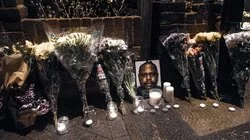
Mark Daly investigates why black men in the UK are more likely than white men to have force used on them by police and to die in police custody.
 E3
E3
Reporter Olivia Davies went to school with three boys who later went to fight in Syria. She investigates why they abandoned the UK and what happened to them when they joined the barbaric Isis regime.
 E4
E4
As the number of people who have died with coronavirus reaches 100,000 in the UK, BBC Panorama tells the stories of some of those who have lost their lives.
 E5
E5
Darragh MacIntyre investigates the role of the alleged head of one of Europe's biggest drug cartels in the upcoming heavyweight title fight between Tyson Fury and Anthony Joshua.
 E6
E6
With millions now vaccinated, Panorama investigates the scare tactics of anti-vaxxers – who are they, and what are their motives for trying to deter people from getting the jab?
 E7
E7
After Princess Latifa was thwarted in her escape from Dubai, the world was told that she was back in the loving care of her family. With footage from her secret phone, Panorama tells her full story.
 E8
E8
Reporter Richard Bilton investigates fly-tipping and asks why so few people are prosecuted for damaging the places we love.
 E9
E9
Naga Munchetty travels across the country to understand what race and racism mean in the UK today.
 E10
E10
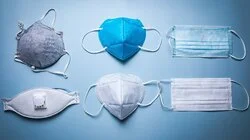
As the government faces mounting criticism that well-connected people made millions out of Britain's PPE crisis, Panorama investigates who won out.
 E11
E11
Alex Salmond and Nicola Sturgeon took the SNP from nowhere to government, and Scotland to the brink of independence. What could their split mean for the future of Scotland and the UK?
 E12
E12
The government says its decisions on Covid-19 have been guided by science. Jane Corbin investigates the policies pursued by governments elsewhere, using data to discover whether anyone got it right.
 E14
E14
Panorama goes undercover inside a lab analysing Covid-19 tests, revealing a failing service with staff under pressure, equipment malfunctioning and tests wrongly discarded.
 E15
E15
Panorama investigates the scandal of our polluted rivers. Reporter Joe Crowley obtains data that reveals how some big water companies have been illegally dumping untreated sewage. He meets local people campaigning for a wholescale clean-up and exposes one company discharging sewage without a permit.
 E16
E16
Clive Myrie investigates allegations of racism in the Church of England, hearing stories of racist abuse and claims of a culture that creates a hostile environment for Christians of colour.
 E17
E17
Reporter Greg McKenzie meets young people born or brought up in the UK who say Home Office immigration policy treats them as second-class citizens.
 E18
E18
Panorama follows Kent police as they try to disrupt the ‘county lines' that transport millions of pounds of drugs from London to towns across their county.
 E19
E19
Panorama investigates what happens when care goes wrong in hospitals and reveals how some NHS trusts keep critical reports hidden from the regulator and the public.
 E20
E20
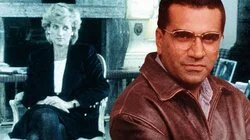
The inside story of how Martin Bashir obtained his career-defining interview, and how the BBC responded when it discovered he'd faked bank statements and shown them to Diana's brother, Earl Spencer.
 E21
E21
As artificial intelligence changes our world, it has sparked a new arms race between China and the US. Experts warn that without urgent regulation, we could lose control of AI.
 E22
E22
Former Paralympic athlete Richie Powell investigates the sport's classification system, which is accused of being flawed, easily manipulated and lacking credibility.
 E23
E23
Panorama follows companies on the Brexit frontline as they navigate their way through Britain's new trading relationship with Europe.
 E24
E24
BBC correspondent Lucy Adams is one of more than a million people in the UK with long Covid. She speaks to other patients desperate to know when they will be well again.
 E25
E25
Horse racing is an extremely profitable sport, a £5 billion industry in the UK and Ireland followed by millions. Darragh MacIntyre investigates what can happen to racehorses when their careers end.
 E26
E26
David Cameron was paid to promote Greensill Capital's financial products around the world. Now that Greensill has collapsed, Panorama investigates how much the former prime minister knew about it?
 E27
E27
Reporter Kafui Okpattah investigates how cyber scammers use social media to promote fraud, and speaks to victims.
 E28
E28
The speed of Afghanistan's fall to the Taliban has shocked the world, but what sort of country will it become? Panorama asks what is at stake for the Afghans.
 E29
E29
As the hospitality industry tries to make up for the financial losses of the last 18 months, Mobeen Azhar explores the truth about our staycations.
 E30
E30
Mariella Frostrup meets teenage girls who say they have been abused, assaulted or raped by teenage boys, and asks whether we should be doing more to protect our children. With exclusive new data from police forces, she reveals how reports of abuse have risen sharply in the past four years, despite government promises to tackle the problem. She asks if social media and pornography could be to blame, and if schools could be handling the problem better.
 E31
E31
Panorama unveils new revelations about the corrupt practices deployed by one of Britain's biggest companies.
 E32
E32
Reporter Rory Carson, himself a former professional player, investigates the system that has produced some of the England team's brightest stars.
 E33
E33
With the number of people on NHS waiting lists now at a record high of 5.61 million, Victoria Derbyshire speaks to some of those who see no alternative but to go private.
 E34
E34
Panorama investigates the Pandora Papers, one of the biggest offshore leaks in history, revealing the financial secrets of some of the most powerful people on the planet.
 E35
E35
When political parties accept donations, they are required to check who the donor is but not where the money actually comes from. Are the rules governing political donations fit for purpose?
 E36
E36
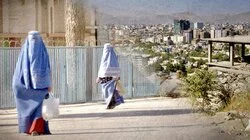
Six weeks after the complete withdrawal of US-led coalition forces, Panorama reports on how life has changed for Afghan people under Taliban rule.
 E37
E37
Reporter Marianna Spring investigates the rise of online abuse against women and asks why the police, the government and social media companies aren't doing more to stop it.
 E38
E38
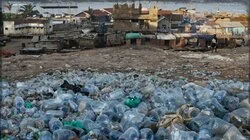
Coca-Cola sells more than 100 billion throwaway plastic bottles each year. Panorama investigates Coca-Cola's promises to crack down on plastic waste.
 E40
E40
The sex industry has been transformed by the internet, and most sex workers now meet their customers through online sites. Bronagh Munro investigates the online pimps who traffic vulnerable women.
 E41
E41
The sex industry has been transformed by the internet, and most sex workers now meet their customers through online sites. Bronagh Munro investigates the online pimps who traffic vulnerable women.
 E42
E42
Tesla is now worth more than all the other major car makers put together, but how ethical is its supply chain? Darragh MacIntyre meets the African nuns who say Elon Musk's company must do better.
 E43
E43
As we gear up for Christmas, Panorama asks if the UK's supply chains will be able to deliver in time. Reporter Jane Corbin goes on the distribution front line to hear from companies struggling to find enough HGV drivers to move essential foods around the country and speaks to farmers who fear their crops will be left to rot if they can't find enough workers. With wages rising and the recent hike in energy prices putting pressure on costs, the programme analyses household bills and asks whether families are facing a New Year hangover.
 E44
E44
Tens of thousands of elderly people live in care homes owned by international investors. Panorama asks how much money is being taken out of the system.
Ellie Flynn investigates the Buy Now Pay Later market's close relationship with retailers and asks if enough is being done to protect customers from ending up with big bills they can't afford.
Business journalist Adam Shaw investigates the government's plans to spend millions of pounds reviving run-down town centres.
Leaked documents reveal how an impoverished country was corruptly exploited by its former ruling family. With Richard Bilton.
Reporter Richard Bilton looks at 'smart' motorways, where the hard shoulder is turned into a live lane, and asks how safe they really are.
Reporter Callum Tully meets some of the growing number of people living in temporary accommodation.
Reporter Ellie Flynn talks to the family of Callie Lewis, who killed herself while in the care of the NHS, and uncovers the extent of the service's failure to provide adequate mental health care.
Panorama investigates Amazon's rise to corporate superpower and asks whether there is a dark side to our love affair with the company.
Hundreds of thousands of people fall victim to scams in the UK every year. Many are run from criminal call centres in India, where teams of fraudsters operate around the clock. Now Panorama has obtained hacked CCTV footage from inside one scam call centre that shows exactly how it works. Reporter Rajini Vaidyanathan tracks down the man behind the crime and the British victims who have been conned.
Panorama investigates the financial impact of Covid-19. Richard Bilton tells the story of the fight to save the UK's economy from an unprecedented threat.
Richard Bilton hears from some of those most at risk from coronavirus, who have been told to stay at home for at least three months.
Doctors and nurses have been warning for weeks that they don't have enough protective kit to stay safe. Richard Bilton investigates whether the government let down health workers leading the fight against the coronavirus, looking at the delays and mistakes that may have put the lives of NHS staff at risk.
As politicians decide how and when to lift the lockdown, Justin Rowlatt discovers how science can help defeat the coronavirus. With access to key drug and vaccine trials, he reveals a race against time to help save lives, and asks when people are likely to be able to return to a normal life.
Britain's economy has been turned upside down by the coronavirus crisis. Many companies are struggling to stay afloat, while some have found themselves swamped with unprecedented demand. Panorama follows some of the small business owners and key workers struggling through the lockdown - from the courier whose job it is to collect suspected samples of Covid-19, to the funeral director working round the clock to collect and bury the dead.
Said Reza Adib investigates conditions inside Greek migrant camps, locked down as coronavirus spread across the world, with vulnerable people havinge to share taps and toilets with those who have tested positive for the virus. Strict quarantine is enforced on camps where coronavirus cases are confirmed, leading to some shortages in food, water and medical care inside. The programme hears from charity and public health experts who warn that any failure to control the spread of the virus inside the camps could lead to potentially dangerous outbreaks.
Panorama reports from New York City, asking why more than 16,000 people have died of coronavirus in a city with some of the best health care in the world.
Hundreds of sub-postmasters were jailed or financially ruined after computers said money was missing from their branches, but the Post Office has admitted that its Horizon system can make mistakes. But when did senior managers find this out, and did they continue to prosecute postmasters for stealing when they knew technology could be to blame? Reporter Nick Wallis investigates what could be Britain's biggest-ever miscarriage of justice scandal and uncovers evidence of a cover-up at the Post Office.
Thousands of people have joined marches against racism after the killing of George Floyd in Minneapolis. Clive Myrie asks if this event could change race relations in America for good.
Daniel De Simone investigates a global network of neo-Nazis that aims to destroy society, discovering that it is recruiting in the UK. Police say right-wing extremism is the fastest growing terrorist threat in the UK and that the coronavirus pandemic may be leaving young people vulnerable to radicalisation. As Daniel investigates he notices certain names cropping up again and again and tracks down some of the movement's most influential figures and reveals how the network operates across the globe.
Reporter Richard Bilton investigates the rapid expansion of our Covid-19 testing capacity and asks whether we have got the world-beating service the prime minister promised.
 E24
E24
Covid-19 has killed thousands, but now there are fears the pandemic has caused a crisis in cancer care that could mean many thousands more will die prematurely. Reporter Deborah James, who herself has incurable bowel cancer, explores the impact of the focus on coronavirus on cancer treatment. She investigates how the NHS has managed care during lockdown, speaks to experts and analyses new research, and also meets fellow patients to discover what the pandemic has meant for them.
While the rest of the UK has struggled to contain rising levels of knife and gun crime, Scotland has dramatically reduced violent crime in the past 15 years. But how was it done? Kate Silverton films with Police Scotland's Violence Reduction Unit, which tries to prevent crime by offering more help and compassion to those at risk of offending.
A report from Salford as the city lifts the lockdown and tries to get its community back to work. The programme follows the mayor and his team, looking at the burden that has fallen on local councils, and also showing the work done by teachers, bus drivers and those helping the homeless. But for Salford it has been expensive. With the threat of bankruptcy looming, can the council provide the support and services the locals need to get them through the next phase of the health and economic crisis?
Panorama investigates the scientific advice the government followed in the early stages of the coronavirus pandemic.
Carrie Gracie investigates whether China hid crucial information about Covid-19 from the world.
Panorama follows the unfolding tragedy in care homes, as they struggle to protect residents against Covid-19. Alison Holt asks if they were left to fight the virus alone.
Stacey Dooley visits Bradford Royal Infirmary to find out how the pandemic is transforming the way mothers, midwives and doctors deal with pregnancy and birth.
The way we eat is changing – and the way we shop for our food is too. Panorama reporter Tom Heap investigates the impact of the coronavirus pandemic on Britain's biggest manufacturing sector, food.
Victoria Derbyshire investigates what the coronavirus lockdown meant for those trapped with an abusive partner, and meets some of those who managed to escape.
Reporter Darragh MacIntyre meets the families of British people arbitrarily detained in Iran and asks whether the payment of a historic debt could set them free.
As most children in England return to their classrooms, reporter Sean Dilley investigates the system for supporting young people with special educational needs.
Panorama investigates one of the world's most brutal trades - the buying and selling of human organs.
 E36
E36
Panorama uncovers secret reports that expose how banks have failed to tackle crime. Reporter Richard Bilton also exposes the business deals billionaires would rather you didn't know about.
Panorama hears from whistleblowers working inside the government's new coronavirus tracking system. They reveal chaos, technical problems, confusion and wasted resources.
Panorama hears from the people living in the path of last year's bush fires in Australia, and asks whether such events are to become normal.
Rianna Croxford investigates the death of transport worker Belly Mujinga, following reports she had been coughed and spat on by a customer at London's Victoria Station.
Colin Jackson investigates the hidden extent of eating disorders in British sport and asks what the authorities should be doing to tackle the problem.
Kash Jones investigates the long-term consequences of the Covid-19 pandemic on young people.
The UK is now a fractured picture of coronavirus rules and guidance. Liverpool City Region was the first area in England to enter the strictest 'tier three' restrictions. As more of the country heads the same way, Panorama has been on the ground to find out how people have coped, whether they have complied with the rules, if the restrictions are starting to work and what the future now holds. With infection rates among the highest in the country, reporter Jane Corbin hears from residents worried about the second wave, businesses pushed to the brink of despair, and those who say that living under tier three rules just isn't possible.
Joe Biden has won the battle for the White House. Reporter Hilary Andersson meets the Trump supporters who believe the election was stolen and asks whether they will ever accept their new president.
The extraordinary story of one family's journey from a small town in America to the heart of the Islamic State group and back.
Panorama investigates the government's shared-ownership scheme, designed to get more people on the property ladder, but leaving some with escalating costs and huge debts.
Panorama follows businesses fighting to survive the pandemic and sees the pressure on those trying to save jobs and livelihoods.
The UK's weather is getting wilder. This year has been a record breaker, with unprecedented rainfall, sunshine and sustained high temperatures. It's a sign that climate change is already happening in the UK – and it's going to get worse. Justin Rowlatt visits communities around Britain battered by this year's extreme weather to find out how they have coped. With access to Met Office data and experts explaining how hot and wet every part of the UK could become, he discovers a future of more heatwaves, intense storms and little snow for most of us, and asks whether we are ready for the even wilder weather that is coming.
The inside story of the development of the Oxford vaccine against Covid-19. Fergus Walsh scrutinises the data that has come out of the trials, and examines the vaccination's efficacy and safety.
 E1
E1
Reporter Tina Daheley lifts the lid on the secrets of the takeaway industry, investigating how planning laws are being subverted and food safety legislation flouted by producers.
 E2
E2
Richard Bilton looks into what was going on at Gosport War Memorial Hospital following an official inquiry which found that more than 450 patients had their lives cut short there.
 E3
E3
Adrian Chiles follows MPs through a historic fortnight in Westminster to find out who is in charge - and are they putting party politics before the best interests of the country?
 E4
E4
How many followers do you have? The rise of social media has brought with it a new kind of celebrity, the digital influencer. These megastars of Instagram and YouTube have upended the advertising industry by converting their virtual followers into real-world currency. Big-name brands have flocked to online stars, paying them millions to endorse their products, but the market has been criticised as being a 'Wild West' of misleading and unregulated advertising, plugging everything from bogus diet drinks to online gambling to young audiences. Panorama reporter Catrin Nye investigates whether companies are being up front and the impact this new form of advertising is having on consumers.
Dr Faye Kirkland investigates how much we understand about the care offered to transgender children.
Chris Clements reveals stories from one rural community where lives have been devastated by the growing abuse of prescription pills bought illicitly online.
Richard Bilton meets the landlord who is evicting 90 families because he wants to cash-in on his property empire, and finds out what life is like for the families facing eviction.
 E8
E8
Panorama reveals the way some academy trusts are running schools. Exposing the trust where the boss employed relatives and where pupils say they were taught how to cheat in exams.
 E9
E9
They're one of the biggest and most powerful technology companies in the world, but can we trust the Chinese telecoms giant Huawei? They have the equipment to run the next generation telecoms network - which will power everything from the superfast phones to smart homes and driverless cars - but as we come more reliant on this type of technology, concerns have grown about Huawei allowing this network to be used to spy on us and even shutting the country down. As the government prepares to make the decision about who will build the network in the UK, Spencer Kelly investigates one of the most important and controversial companies in the world.
 E10
E10
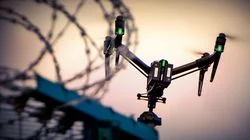
With the most detailed account so far of the three days of disruption and the first in-depth interview with Gatwick since the attack, Justin Rowlatt asks what really happened. Why has no-one been caught? Was there a drone at all? And what needs to be done to protect our skies?
 E11
E11
In-depth investigation by the Panorama team into claims that historic abuse was not investigated properly by the Diocese of Lincoln or the wider Church of England.
A report on the crisis facing patients and medical staff due to a shortage of doctors across Britain, which many GPs feel is putting lives at risk.
Amar, a victim of napalm attacks by Saddam Hussein's forces in 1991, returns to Iraq for the first time in 30 years to try to find his family.
Reporter Lucy Adams investigates the ú600million industry producing the UK's biggest food export and the country's favourite fish, and asks whether salmon farming is sustainable.
Panorama goes undercover inside a hospital for vulnerable adults and reveals patients being mocked, taunted and intimidated by abusive staff. Olivia Davies reports.
Panorama reveals the failings of our social care system, as our population gets older and more of us need help with day to day living. In the first of a two part series, the BBC's social affairs correspondent Alison Holt has filmed in Somerset for a year, focusing on four families, all exhausted by the demands of caring 24 hours a day for their loved ones, and desperately trying to get more help. She also follows the fortunes of the county council who, like local authorities everywhere, are fighting to balance their books after years of budget cuts.
Reporter Mayeni Jones investigates a suspicious energy deal involving secret payments made by a controversial businessman to the family of a senior politician.
In the second of a two part series on the social care crisis, Panorama exposes a chaotic system on the brink of crisis. With more and more care homes closing, and a national shortage of carers, social affairs correspondent Alison Holt meets vulnerable people threatened with selling their homes to pay for their care, and their families battling the funding system. She tells the devastating stories of elderly people with no-one for fight for them and asks why successive governments have failed to reform a system experienced by so many as unfair, confusing and sometimes cruel.
With alcohol-related deaths on the rise, Adrian Chiles investigates what we know about the dangers of drinking, and why the alcohol industry isn't telling us more.
Where are people on low incomes turning to in the wake of the collapse of the payday lender Wonga? Fiona Phillips investigates some of the lenders who seem to have stepped into the breach, asking why the cap on payday loans that marked the beginning of the end for Wonga doesn't apply to other types of lending and whether it is still too easy to get what ends up being expensive credit?
After a bruising round of campaigning and vote-offs, there are just two candidates left standing in the race to be the next prime minister. But as they prepare for the final push, the BBC's deputy political editor John Pienaar asks – is either of them capable of ending Britain's Brexit battles?
Panorama goes inside the anti-Semitism crisis gripping Jeremy Corbyn's Labour Party. With exclusive interviews from key insiders and access to confidential communications and documents, this is the story of how the issue developed. Reporter John Ware reveals the evasions and contradictions at the heart of the political party, which leader Jeremy Corbyn says has anti-racism at its very core.
Sima Kotecha meets parents and campaigners from Islamic and other faith communities protesting against their children being taught about LGBT relationships at school.
For the first time, politicians and negotiators on both sides of the channel tell the story of the key events that made Theresa May postpone Brexit and forced her from office.
Stacey Dooley travels to Kurdish-controlled northern Syria to holding camps where she meets western women who left their countries to join the so-called Islamic State.
Britain's betting industry is booming, with the amount people gamble having almost doubled in a decade and company profits soaring to ú14.5 billion. But are the bookies doing enough to protect problem gamblers? Reporter Bronagh Munro investigates an industry where complaints are rising even more quickly than profits, meeting one person who gambled away more than ú3 million, and families who have lost their children to addiction.
As schools reopen their doors this week, Panorama asks if we have reached a crisis point in education funding.
This Panorama special follows West Midlands Police as they bring down the biggest human slavery operation that has ever been caught in the UK.
Growing numbers of young people are carrying knives and becoming victims of knife crime, while doctors report that the injuries from knives they are treating in hospital are becoming more severe and the victims getting younger. In this programme, Channell Wallace, whose own brother was stabbed to death, meets young people growing up in communities where carrying a knife is normal, sees how violence from knife crime is turning lives upside down and spends time in a school and college to see the impact of knives on the classroom.
David Dimbleby travels across the UK in the lead up to the 2019 general election to reveal why it is going to be one of the most unpredictable elections in recent history. David finds a United Kingdom divided, and discovers people's views on Brexit have largely hardened, while party allegiances have weakened, and fury with politicians is rarely far from the surface.
Justin Rowlatt investigates the aviation industry's plans to reduce carbon emissions and help save the planet, asking whether it is promising more than it is delivering. With cheap flights leading to a boom in passenger numbers, he hears claims that the industry is putting growth and profits before the environment.
The government announced the closure of investigations into alleged war crimes in Iraq and Afghanistan before a single soldier was prosecuted. Has there been a cover-up in the British military?
Panorama reveals how China runs its re-education camps, where more than a million people have been locked up in one of the biggest mass detentions in modern history.
As Prince Andrew steps back from his public duties, Panorama hears from the victims of his former friend and convicted child sex offender, Jeffrey Epstein.
Reporter Catrin Nye returns to Wales to find out if the roll-out of Universal Credit is still causing difficulties for vulnerable claimants.
Greg McKenzie investigates accusations of financial irregularities against the Salvation Proclaimers Anointed Church, a charity dedicated to tackling gang violence and crime.
Bankruptcy isn't always what it seems. Some of Britain's biggest bankrupts are going to great lengths to hide their money while declaring bankruptcy to escape their debts. In this investigation, reporter Sam Poling goes undercover to expose the tricks wealthy business people can use to keep hold of their wealth, while those they owe money to are left with nothing. She meets the millionaire bankrupts making a mockery of the system and asks how they can get away with it.
Donald Trump has changed the face of American politics, but what do the people who voted for him make of his tumultuous first year in office? Filmed over a year in Michigan, Wyoming, Texas and Florida, this programme hears from Trump supporters who hoped that he would 'make America great again'. But with so much promised, Panorama asks whether his supporters are still happy and if they would vote for him again.
In 2007 Panorama made a programme in Blackburn, which was becoming segregated along ethnic and religious lines. Now Panorama has returned and found a town that is even more divided. Some parts of Blackburn are almost entirely Muslim Asian, while other parts are only lived in by white residents. This kind of social segregation has been described as a national crisis, despite decades of government policy aimed at bringing people together. So why do such divisions persist? Panorama visits one town to answer that question and illustrate the impact of social segregation on local communities.
Panorama examines the rising issue of newborns being taken into care after being born to mothers who are drug addicts. Many of these women have had children permanently removed before. In this film, Panorama has been given exclusive access to one of the only residential units in the country trying to break this cycle, Trevi House in Plymouth. The film follows mothers and their babies undergoing intensive treatment as the mothers try to prove they are fit to be parents. The stakes could not be higher - if they fail they will lose their babies forever.
Panorama investigates what Bitcoin is and what it means, going inside a Bitcoin mine in Iceland - where currency is made - and spending time with the Bitcoin millionaires of Silicon Valley. The programme also hears from others who have been scammed out of their life savings and investors who think the cryptocurrency is an enormous scam and that the writing is on the wall.In Britain, and around the world, authorities are sounding the alarm that Bitcoin is too risky - is it too late, or too crazy, to try to become a Bitcoin millionaire?
Most private tenants in the UK have no long-term right to stay in their homes and can be ordered to leave with little notice and no explanation. These no-fault evictions have trebled in just eight years.Reporter Richard Bilton meets the families whose lives are being turned upside down by their landlords. He investigates whether tenants deserve more protection, or whether new rules would make the housing crisis worse.
Harvey Weinstein was once one of the most successful producers in Hollywood history, but beneath the glitz and glamour, there was a dark story of threats, bullying and allegations of sexual assault. As Hollywood prepares to celebrate the 90th Academy Awards, Panorama investigates Weinstein's spectacular fall from grace and the extraordinary efforts he made to silence his accusers. This one-hour special, co-produced with PBS Frontline, examines the complex web of lawyers, journalists and private detectives deployed to keep Weinstein's secrets hidden.
Public concerns about immigration were at the heart of the vote to leave the EU. Since then, the government has been silent on their plans. But with just a year to go until the country leaves, there are big unanswered questions about how any new system will work after Brexit - and the issue still stirs up powerful emotions. Nick Robinson travels from the heartlands of the leave vote to the front line of the NHS to find out what immigration the public wants and what Britain's businesses and public services say they need, and to ask the big question: who should we let in?
 E9
E9
Vladimir Putin is about to face the voters, and most think his victory is a foregone conclusion. If the Russian president does win six more years in power, he will become the country's longest-serving ruler since Stalin. So why is Putin so powerful? Reporter John Sweeney investigates allegations that the Kremlin has subverted democracy in Russia. He meets the Putin opponent who has been banned from the election, hears from the opposition activists who say they have been attacked and finds out for himself what it is like to be targeted by the Russian state.
 E10
E10
For the first time, the UK's biggest employers are having to reveal the average wages they pay men and women. At the same time, the BBC and many other organisations find themselves in battles over equal pay. Almost 50 years after the passing of the Equal Pay Act, why are women still not being paid as much as men? Jane Corbin travels the UK to meet the workers, from supermarket staff and council carers to BBC presenters, who are fighting for equality - even if the costs run into the billions.
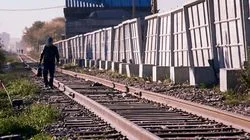 E11
E11
As President Trump and the North Korean leader, Kim Jong-un, prepare for an unprecedented summit, Panorama investigates North Korean modern-day slavery. It is thought that more than one hundred thousand North Korean workers are posted abroad to earn money for the cash-strapped regime - money that is being ploughed into Kim Jong-un's nuclear weapons programme. An international consortium of journalists has filmed undercover to reveal secret work gangs operating in Russia, China and Poland.
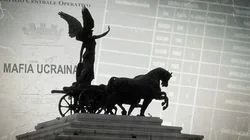 E12
E12
Why does London attract so much dirty money? Panorama tracks down a violent Ukrainian crime gang using offshore companies and professionals to hide suspicious wealth in the UK. An in-depth investigation of leaked documents reveals gangsters, their families and associates taking advantage of offshore secrecy and ineffective money laundering controls to buy luxurious property and expensive works of art. Reporter Andy Verity follows the gangsters' trail from Odessa to Rome and London.
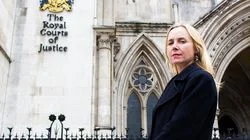 E13
E13
Everyone has the right to a fair trial, but how sure can people be that, if it came to it, they would get one? Panorama reporter Katie Razzall investigates cases where crucial evidence had not been investigated by the police or where evidence had been withheld from defendants. One man was wrongly jailed for four years, another had the case against him thrown out just before his trial was due to start and a man was put on trial for rape despite the alleged victim saying he should not have been charged. All rape prosecutions are now being reviewed after the collapse of some high-profile trials. Former High Court judge Richard Henriques tells the programme there have been too many cases recently where only at the last moment the truth comes to light and the system must do better.
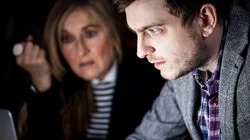 E14
E14
Smart devices and the latest technological gadgets give us remote control of our homes and our cars - but how safe are they? Reporter Fiona Phillips investigates their hidden dangers and reveals how products designed to make life easier around the home can be hacked. She discovers families whose children are being spied on because their baby monitors are being streamed live online, and meets a couple who had no idea they were being watched, in their own home, by thousands of strangers around the world.
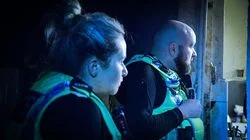 E15
E15
With a surge of violent crime in London and recorded crime rising across the country, Panorama films with four police forces to ask if Britain's police can cope. The film reveals forces stretched to crisis point by eight years of austerity and a national shortage of detectives. An exclusive analysis of police data for Panorama shows how fewer crimes are ending up with any suspect charged. Chief constables speak about the strains on their forces and how changes have had to be made not only in the way they prioritise crime, but how they investigate it too. But do the public accept these changes? Panorama hears from victims of crime and communities who fear Britain's streets are no longer being properly policed.
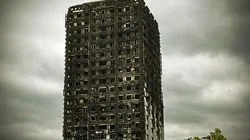 E16
E16
It has nearly been a year since Britain's worst fire in living memory, and nobody has been arrested or held to account. Reporter Richard Bilton reveals new evidence about the safety failures that led to the deaths of 72 people at Grenfell Tower. He tracks down those with questions to answer and confronts those who may share the blame.
 E17
E17
What if you were jailed for a crime you didn't commit? Panorama investigates the cases of two convicted murderers who have each spent almost 20 years in prison and have always protested their innocence. Their only hope of clearing their names lies with the Criminal Cases Review Commission (CCRC), the body tasked with probing alleged miscarriages of justice. But many believe the CCRC is failing. Reporter Mark Daly finds new evidence in cases the CCRC rejected and investigates whether the watchdog is fit for purpose.
 E18
E18
In 2017, former culture secretary Dame Tessa Jowell was diagnosed with a malignant brain tumour. Three in four people diagnosed with her type of brain cancer are dead within a year. Brain cancer is becoming more common and the UK has one of the lowest survival rates in western Europe.After her diagnosis, Tessa Jowell and her daughter Jess launched a campaign for brain cancer patients to get access to more trials and treatments than are available on the NHS. With intimate access during the final weeks of her life, this moving Panorama follows Tessa as she tries to use her influence to highlight the struggles of brain cancer patients across the UK and to bring about a radical and permanent change in NHS cancer treatment.
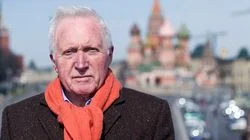 E19
E19
As thousands of British fans prepare to travel to Russia for the World Cup, David Dimbleby returns to a country he first visited when Yeltsin came to power 25 years ago. For 18 of those years, Vladimir Putin has ruled the largest country on earth, and he has another six years ahead of him. But with talk of a new Cold War, and with British Intelligence accusing Putin's government of 'criminal thuggery', this Panorama special asks what Russians see in him and how has he held on to power so long.David talks to an eclectic mix of Putin's supporters, from a mother of ten who has been awarded the Order of Parental Glory, to a deputy prime minister and one of Putin's advisors. He joins children as young as seven learning to load and shoot guns in a patriotic youth club, and a group of young Muscovite fans of the president who are trying to cash in on the Putin brand.David also hears from opposition protestors, lawyers and journalists who reveal the extent and ruthlessness of the Kremlin's autocratic rule.
 E20
E20
When the government launched the Northern Powerhouse, the plan was to attract investment and improve the infrastructure. But four years on, some of the big projects have failed. These high-profile property developments were marketed with great fanfare, and some were promoted and backed by the local authority.Now building sites stand abandoned, local investors have lost millions and confidence in the north has been badly damaged. So what went wrong? Reporter Michelle Ackerley investigates why some projects have failed, as well as the local developers and businesses that made big promises but have failed to deliver.
 E21
E21
As people become increasingly glued to their smart phones, reporter Hilary Andersson tracks down tech insiders who reveal how social-media companies have deliberately developed habit-forming technology to get people hooked, and investigates the science behind the lure of technology, showing how behavioural science has been used to keep people endlessly checking their phones.
 E22
E22
Donald Trump has been accused of sexually inappropriate behaviour by more than 20 women, but he has dismissed them all as liars. Now one of those women is suing him for defamation. An American court will have to decide what really happened and whether the President of the United States is a sexual predator. So what is the truth about Donald Trump's behaviour towards women? In the week of his visit to Britain, reporter Richard Bilton investigates new allegations about Mr Trump and meets the women who say the president is a sex pest.
 E23
E23
In the aftermath of the Alfie Evans and Charlie Gard cases, Panorama meets three extraordinary families who spend their lives caring for children with serious disabilities. The number of school-aged children with complex needs has doubled since 2004, but many families now struggle to secure the help their children need in the face of limited resources. Families let cameras into their homes to see what it takes to give their children the care they need on a daily basis - sometimes it's a fight to simply keep them alive. Are we willing to do what it takes to give these children a decent quality of life?
 E24
E24
Found in a pool of blood, Arkady Babchenko, a Russian journalist and critic of President Putin, was declared murdered in Ukraine in May. But a day later he was back from the dead, appearing alive and well at a Kiev press conference. Speaking to all the key players for the first time, Jonah Fisher has the inside story of how to fake a murder. Why did Ukrainian security services stage his death? And in the propaganda war between the truth and fake news, what, if anything, did it achieve?
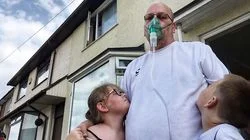 E25
E25
With life expectancy in Britain varying dramatically thanks to income inequality, Richard Bilton visits Stockton, the town with the country's worst health inequality, to investigate why people in the town centre can only expect to live to 71, while their wealthier neighbours a couple of miles away will live an average of 14 years longer.
 E26
E26
Panorama goes undercover to reveal online doctor sites putting profit before patient care. In 2017 the Care Quality Commission issued a warning about the risks of buying drugs prescribed by doctors online. The programme discovers opiate-based painkillers and slimming tablets being sold to potentially vulnerable people and antibiotics being delivered across Europe in the face of warnings about resistance. Dr Faye Kirkland, journalist and GP, meets the families of patients who have died after online consultations and exposes the sites running rings around the regulators.
 E27
E27
Panorama investigates the case which has sparked outrage among doctors - a junior doctor convicted of manslaughter and then struck off the medical register for her role in the death of a boy. In 2011, six-year-old Jack Adcock was admitted into the Leicester Royal Infirmary, under the care of Dr Hadiza Bawa Garba. Less than 12 hours later he had died from sepsis, a potentially life threatening condition which the doctor had failed to spot. But the action that was taken against her has provoked an outcry from the medical profession, who say she has been unfairly blamed for mistakes made while working in an overstretched and under-resourced NHS. So what should happen when doctors make mistakes? And who should take responsibility? Panorama talks to Dr Bawa Garba in her first interview and to the parents of Jack Adcock to explore the story.
 E28
E28
Panorama investigates how antique guns are being brought into the UK perfectly legally and ending up in the hands of criminals. Panorama buys two handguns, one in America, carrying it through customs, and the other from an antique guns fair in Birmingham. Under current legislation it is legal to buy and sell guns provided commercially manufactured ammunition is no longer available. But criminals are home making ammunition for these antique weapons and then using them to kill. Gloucester gun dealer Paul Edmunds flooded the streets of Birmingham and London with antique guns as well as modern guns passed off as antiques. These weapons have been used in multiple murders. Now West Midlands Police and the National Ballistics Intelligence Service are calling for a change in the law to close this loophole.
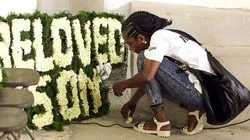 E29
E29
Across Britain serious violence is rising. There have been over 80 murders in London in 2018 alone, which includes eight children, under 18. Panorama investigates why young people are losing their lives, by focusing on just one of these murders. 17-year old Rhyhiem Barton grew up on the Brandon Estate in South London, and was killed on the streets there. Filming with his family and friends, the programme looks at the devastation and loss caused by Rhyhiem's death- from their perspective. It explores what might have led to his murder and how the community has responded to try and prevent more of their children being killed.
 E30
E30
The Academies Scandal. More than 7,000 schools in England have been turned into academies and are now run by private trusts. The people in charge are not supposed to profit from children's education, but what's to stop them from cashing in? Reporter Bronagh Munro investigates a businessman whose companies have been paid millions from school budgets and asks whether it's the pupils who are paying the price.
The Brexit deadline is looming - just weeks left to get a deal, just months until the country is due to leave the European Union. The stakes are high for Britain, and at the centre of it all is the prime minister. Theresa May has to strike a deal with the EU and convince the public and MPs that her plan is the best plan. The only alternative, the government say, is no deal at all. But many disagree - and her own party, the opposition and the country are divided. So what does the prime minister's plan really mean, and what else could we do?At a crucial time for the country, Panorama has been inside Downing Street with Theresa May as she seeks to navigate Britain's negotiations with the EU. Nick Robinson interviews the prime minister and hears from all sides about deals and no-deal.
Britain is in the grip of a child mental health crisis. Nearly half a million children are either waiting for treatment or receiving it. The government has promised more money for child mental health but in the meantime getting help is a postcode lottery. Some children are waiting up to two years to be seen and others are being sent hundreds of miles away from home for treatment.In this Panorama, Sean Fletcher, whose own teenage son Reuben has been hospitalised with severe obsessive compulsive disorder, investigates the Child and Adolescent Mental Health Service - CAHMS. He investigates whether care is being rationed in some areas, leaving children to deteriorate until they have to be hospitalised. And he speaks to children who have been let down by the system and despairing parents who believe their children's lives have been put at risk.
Every year nearly two million people in the UK are victims of domestic abuse, with police receiving 100 calls an hour about domestic violence. But what is being done to tackle the violent men at the root of the problem? More and more abusers are getting access to courses and therapies designed to help them change their violent behaviour. At stake is the safety of children and partners.But at a time when women's refuges are closing due to lack of funding this is a highly controversial approach, which some even say is dangerous. With extraordinary access to some of these courses, Panorama asks how effective these interventions are and if violent men can ever really change.
Panorama investigates the use of chemical weapons in the civil war that's torn Syria apart in the last seven years. President Assad and his allies Russia and Iran have consistently denied the Syrian regime has used chemical weapons. But Nawal Al-Maghafi's shocking expose reveals the true extent of chemical weapons use by the regime and shows they are a crucial part of his war-winning strategy, terrorising and driving out civilians from opposition held areas.Never before have chemical weapons have been used in this way and to this extent, but Panorama shows the west has been unable to prevent it. Nawal hears from families who have fled their homes and joined the 13 million displaced people and refugees. Though the Syrian government is now saying it's safe for refugees to return, few dare to go back home. With extraordinary footage from inside the city of Idlib, the one remaining rebel outpost, Panorama reveals the lasting impact of these weapons.
Hundreds of thousands of homeowners thought they had been saved when the government took over their mortgages during the financial crisis. But ten years on, the former Northern Rock customers are still trapped on high interest rates and now their mortgages have been taken over by an aggressive private equity fund. Reporter Andy Verity meets the families who say they have been sold out by their own government.
Will President Trump be forced out of office? On the eve of the most important US midterm elections for a generation, Panorama examines allegations that Trump colluded with Russia to win the presidency, and looks at the similarities with the Watergate scandal which brought down Richard Nixon. Reporter Hilary Andersson joins the campaign trail in West Virginia, where the president's message of a vast political witch-hunt against him has fired up Republican voters. If the Democrats do well tomorrow, it could open the door to impeachment, but Trump's supporters believe they will win and warn of riots should the establishment try to take their man down.
As the government's controversial new benefits system universal credit is rolled out, Panorama is with families surviving on food bank handouts as they struggle with their claims. The programme follows one council as it deals with mounting rent arrears and tenants in crisis. The government has responded to criticism of the new system by announcing an extra £1.7 billion, but is it too little too late?
 E38
E38
Reporter Athar Ahmad creates a fake dating profile to turn the tables on romance fraudsters who are trying to get their hands on people's cash.
 E39
E39
With exclusive access to the Salisbury investigation, Jane Corbin examines the inside story of the Russian attempt to assassinate former spy Sergei Skripal and his daughter Yulia.
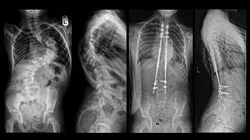 E40
E40
Almost a billion people have a medical device in their body. Reporter Deborah Cohen investigates if some patients are treated like human guinea pigs.
 E41
E41
Panorama investigates a businessman targeting sports and social clubs with offers of financial help that can end up costing them everything. With little or nothing in the bank but assets worth thousands, these clubs are often the lifeblood of local communities across the UK. In one case, a football club claims to have lost its pitch, clubhouse, car park and nearly a million pounds from the sale of a plot of their land. As reporter Jon Cuthill reveals, they are just one club among many, including Conservative clubs and working men's clubs, who say they have been ripped off after seeking help with relatively small debts. Some, with long and proud histories, have ended up closing altogether, while many have had premises they once owned outright sold from under them.
 E42
E42
Panorama investigates the impact the High Speed 2 rail scheme is having and what the final cost of the project could be.
Panorama returns to the scene of the killing of 30 British tourists by a gunman on the beach at Sousse in June 2015. Reporter Jane Corbin investigates whether security concerns were ignored before the attack and if lives could have been saved on the day. She asks why there wasn't tighter security or a warning to holidaymakers to stay away from Tunisia after similar attacks. And should the Tunisian government, the British tour operators and the Foreign Office bear any responsibility for what happened?
In the week of the new President's inauguration, Panorama reports on Russia's role in Donald Trump's election victory and asks what's behind the relationship between Vladimir Putin and Trump. Reporter John Sweeney - who has met and challenged both men - travels to Moscow and the United States to find out how sure we can be that Russian cyber-warriors influenced the US election and if there's any truth to claims that Russian intelligence has compromising material about the President elect. And from Lithuania and the battlefields of Ukraine, he investigates what this will mean for security in Europe and the rest of the world.
Following the banning of legal highs in the UK in May 2016, Panorama spent six months in Newcastle to see whether the new law is working.
Sophie Hutchinson investigates the troubled state of NHS mental health services.
An undercover investigation reveals the reality of life behind bars in Britain's crisis-hit prison system. Contains some upsetting scenes.
What happens when a community is changed by immigration? Slough has gone from a majority white British town to a place where they're the minority.Ten years ago, Panorama's Richard Bilton reported on how Slough was struggling to cope with its migrant population. Now he's back. He finds a town with a booming economy and new families arriving every day. However, now white British people are abandoning Slough, and some foreign workers say the dream is over.
Britain's kids are going to bed later and sleeping less, and hospital visits triggered by poor sleep have tripled in ten years. This is playing havoc with children's health and education and causing obesity, problems for parents and teachers, and even family breakdowns. In this film, reporter Jenny Kleeman finds that children's rocketing use of technology coupled with more lax modern parenting is creating an epidemic of poor sleep. Jenny visits a sleep charity in Doncaster that gets up to 200 emails a day from desperate parents. She meets Jayne, mum to a toddler who takes up to four hours to go to sleep, and follows them as they trial a firmer bedtime routine. At Honley High School in Yorkshire, Jenny investigates how poor sleep is affecting pupils' concentration and behaviour in class. Jenny also visits the sleep lab at Sheffield Children's Hospital, which has seen a tenfold increase in referrals in the last decade.
An investigation which reveals the nationwide shortage of home-care workers.
Last week, the UK Parliament came under attack in the most serious terror incident in the country for over a decade. Speaking to witnesses and the injured, BBC Panorama pieces together what happened during the attack that left five people, including the attacker, dead and many more injured. The programme also looks into the life of Khalid Masood to ask what motivated him to carry out this fatal terror attack in the heart of London.
France votes for a new president in a few weeks, and far right candidate Marine Le Pen has her sights set on victory. She is trying to detoxify her party to distance herself from its racist and anti-Semitic past.However, Gabriel Gatehouse explores how the Front National's desperate need for money could be undermining this process. He meets fixers and insiders who have helped Marine Le Pen run her campaign and raise money from some controversial sources around the world.
How far should we go to force unemployed people back into work? Tens of thousands of families on benefits have had their payments cut as part of a radical government policy. Out-of-work benefits used to be assessed on need, but now payments in most of the country are capped at £20,000 a year. Panorama follows parents who have lost hundreds of pounds a month and are struggling to keep their homes - knowing that to escape the benefit cap they will have to find a job.
Following the acquittal of two former Barclay's traders, Panorama asks if the right people are being blamed for what has been called the biggest financial fix of all time.
Panorama investigates one of Britain's most important spies since the Second World War. In the murky world of British intelligence during the Northern Ireland conflict, one agent's life appears to have mattered more than others. Codenamed Stakeknife, Freddie Scappaticci rose through the ranks of the IRA to run their internal security unit.
We're getting used to seeing a new Trump headline every day - or even several times a day. But we're all still clueless about what to expect next. A missile strike on Syria from an avowed America first president?As the unpredictable president approaches his milestone hundredth day in office, Jeremy Paxman crosses the US for a wry and searching examination of the whirlwind past three months. He'll attempt to make sense of the Trump agenda - and ask if it even makes sense to the man himself.
Madeleine McCann is the world's most famous missing person. Her disappearance ten years ago has been investigated by police forces in two different countries, but they came up with contradictory conclusions. So what really happened to Madeleine in the Portuguese resort of Praia da Luz?Reporter Richard Bilton, who has covered the story for the BBC since the first days, examines the evidence and tracks down the men British police have questioned about the case.
Current affairs programme featuring interviews and investigative reports.
It has been called the worst treatment disaster in the history of the NHS. More than 2,000 people died and thousands more were infected with HIV and Hepatitis C after being treated with contaminated blood products. All the victims were infected over 25 years ago, but even now new cases are still being diagnosed. Survivors and their families are trying once more to persuade the government to hold a UK public inquiry.Panorama examines recently released documents, and asks if the government could have done more to save lives. The film hears the heartbreaking testimony of some of the victims and their families and explores the dilemmas of doctors who had to carry on treating their patients through the unfolding crisis.
Panorama goes undercover inside Britain's rapidly expanding litter police and reveals the methods behind the soaring litter fines - over 140,000 were handed out last year. We hear from people who have been stung with hefty fines for offences like pouring coffee down the drain, dropping tiny pieces of orange peel and even leaving out their weekly rubbish. Our undercover reporter goes inside the leading private enforcement company - with over 50 council contracts - to capture the litter police in action and unearths the secret bonus system used to reward wardens for the number of tickets they issue. Inside the Litter Police asks whether our strapped-for-cash councils are prioritising revenue-raising ahead of clearing litter.
One week on from the atrocity at the Manchester Arena, Tina Daheley reports on the attack targeted on the audience of thousands of young and teenage girls as they left a pop concert. She hears from concert attenders and parents, and investigates the community context and the extremist Islamist links behind the mass murder committed by the suspected suicide bomber, a 22-year-old man born of Libyan parents in the city.
In 1982 Argentina invaded the Falkland Islands, and a task force of over 100 vessels and 26,000 men and women sailed 8,000 miles from Britain to defend the islands. In a short but brutal war lasting three weeks, hundreds died on both sides, the Argentinians were defeated, and the islands were reclaimed. But what happened after the parades were finished and the flags were put away? In this moving film, Panorama uses animation drawn by a Falklands War veteran to explore how the trauma of fighting a war can continue to affect soldiers even decades later. The film follows a group of Welsh Guards whose lives were shaped by their Falklands experience as they return for the first time to the islands to confront their demons.
The voters have spoken. Nick Robinson reports on the outcome of the general election.
The fire that is believed to have started on the fourth floor of Grenfell Tower engulfed almost the entire 24-storey building at shocking speed. Firefighters battling the inferno say they have never seen anything like it before.Why were the fears of residents about fire safety apparently ignored and why did the flames rip so quickly through their council tower block? Richard Bilton investigates what happened that terrible night, as well as the grief and anger surrounding one of Britain's worst fire disasters in living memory, which occurred in one of its richest boroughs.
As one of Britain's largest youth groups, the cadet forces are responsible for nearly 130,000 children in more than 2,000 clubs across the country. However, not all members have positive memories of their time within the ranks. They are victims of sexual abuse by their cadet instructors, and this abuse could have been stopped but wasn't.This investigation shines a light on a culture of cover-up across the UK which allowed abuse to continue. Reporter Katie Razzall reveals the deeply troubling evidence with serious questions now facing the government organisation in overall charge - the Ministry of Defence.
Brexit marks a seismic shift for the UK's food and farming industry, but what will it mean for the consumer? The EU affects the whole food chain from field to fork. It dictates what farmers are allowed to grow, sets animal welfare standards and offers a large supply of cheap labour to work in the fields and processing plants. Panorama's Tom Heap talks to insiders who claim Brexit will mean higher prices, lower quality and less choice on the shelves. Others claim it is a fantastic opportunity to address inefficiency and design a new mode of food production for the next generation. The programme also travels to the USA, where farming is run on an industrial scale. Will UK consumers back British farmers or switch to potentially cheaper imports of hormone-filled meat from abroad?
Panorama investigates how, behind the scenes, Donald Trump's controversial plans to deport illegal immigrants are being put into action.
Eating disorders have the highest death rate of any mental health illness and are estimated to affect 1.6 million people in the UK. Around 400,000 of these are thought to be men and boys, including international rugby referee Nigel Owens. Nigel meets men, boys and their families across the UK to hear their moving accounts of the devastating impact of anorexia and bulimia, as he sets out to investigate the reasons behind why more people are being diagnosed. In this deeply personal film, Nigel also opens up in detail about his own eating disorder for the first time as he confronts a dark truth about his battle with bulimia.
Is it possible that a pill prescribed by your doctor can turn you into a killer? Over 40 million prescriptions for SSRI antidepressants were handed out by doctors last year in the UK. Panorama reveals the devastating side effects on a tiny minority that can lead to psychosis, violence, murder and possibly even mass murder. With exclusive access to psychiatric reports, court footage and drug company data, reporter Shelley Jofre investigates the mass killings at the 2012 midnight premiere of a Batman movie in Aurora, Colorado. A 24-year-old PhD student James Holmes, who had no record of violence or gun ownership, murdered 12 and injured 70. Did the SSRI antidepressant he had been prescribed play a part in the killings? Panorama has uncovered other cases of murder and extreme violence which could be linked to psychosis developed after the taking of SSRIs, including a father who strangled his 11-year-old son. Panorama asks if enough is known about this rare side effect.
The RSPCA, which has been rescuing and protecting animals for almost 200 years, is one of the best-loved charities in England and Wales. Last year it secured nearly 1,500 convictions for animal welfare offences. Now Panorama's John Sweeney - and his dog Bertie - meet people who accuse the RSPCA of being heavy-handed by prosecuting them and taking away their animals when help or advice would have been more appropriate. He also asks why an RSPCA branch rehomed dogs imported from Europe. Following the RSPCA chief executive's sudden resignation in June, John investigates what's going on at the top of the charity and meets former senior insiders who have concerns about the charity's governing council.
Panorama investigates the growing numbers of British passengers flying drunk.Tina Daheley uncovers shocking footage filmed by passengers, and meets whistleblowers from the airline industry, who reveal just how badly our journeys are being disrupted. With exclusive new figures showing a rise in drink related incidents and arrests, Tina asks how some airlines are fighting the problem and meets the Majorcan official sick of Brits arriving on her island already drunk.Campaigners are pushing for new licensing laws but with alcohol sales a key source of revenue for many airport retailers, is profit taking precedence over passenger convenience and safety?
On the frontline of the fight to control immigration, BBC Panorama goes undercover in an Immigration Removal Centre and reveals chaos, incompetence and abuse. The centre is a staging post for detainees who face deportation from the UK. It is a toxic mix, and detainees who have overstayed visas or are seeking asylum can share rooms with foreign national criminals who have finished prison sentences. Some have been held in the privately run centre for many months, even years. The covert footage, recorded by a detainee custody officer, reveals widespread self-harm and attempted suicides in a centre where drugs, particularly the synthetic cannabis substitute spice, are rife. Many officers do their best to control the chaos, but some are recorded mocking, abusing and even assaulting detainees.
Is the health service facing up to a medical emergency that now kills more than any cancers and heart attacks? When Alistair Jackson's elderly mother died suddenly in her local hospital, he was told she had received the best care possible. It took him two years to uncover how the tell-tale signs of suspected sepsis were missed and how potentially life-saving antibiotics weren't administered for hours. After getting to the truth, he meets the families of some of the estimated 14,000 people whose deaths might have been prevented with better treatment and hears from the health professionals trying to tackle Britain's 'silent killer'. The film reveals how under-reporting of sepsis cases means the crisis is likely to be far deeper than thought. With exclusive access to NHS figures he discovers that despite high-profile improvement campaigns, people's chances of getting the best care can still depend on where they live - and goes back to his mother's hospital to ask if anything has changed.
Panorama investigates the African migrant trade and reveals the extraordinary scale of people-smuggling across sub-Saharan Africa - a multibillion-pound industry described by some as a new 'slave trade'. As theEU desperately tries to cut the number of migrants crossing the Mediterranean, reporter Benjamin Zand investigates how hundreds of millions of euros of EU funding is being spent and asks if EU efforts to tackle the smugglers could be leaving some migrants in an ever more dangerous limbo.
Violent right-wing extremism in Germany has surged to its highest level since the downfall of the Third Reich, with a record number of attacks against asylum seekers and their supporters. Panorama has spent sixmonths in Freital, a small town at the heart of the new wave of far-right terror.As Germany goes to the polls, this film hears how long-held taboos are being broken in a country still haunted by its Nazi legacy and far-right views are becoming mainstream once more. Across the world, far-right extremists have been on the march, from Charlottesville in the United States to the suburbs of Paris and the streets of Manchester. But how worried should we be by the rise of the far right in Europe's most powerful country?
Trump versus Kim - it is the most chilling nuclear stand-off for decades. No longer is the world asking whether North Korea can be stopped from developing nuclear weapons, but instead whether it can be stopped from using them.As the two leaders trade threats, reporter Jane Corbin investigates how North Korea has dodged sanctions and thwarted international efforts to stop it becoming a nuclear power. She also asks how the two leaders can move back from the brink, and how likely it is this could all end in nuclear war?
Panorama investigates a hidden world of child sexual abuse, one in which children sexually assault other children. It's often referred to as 'peer-on-peer' abuse and can happen in classrooms and even in theplaygrounds of primary schools.In this part-animated film, children, interviewed anonymously to protect their identities, talk candidly about the abuse they have experienced and describe how they felt let down when they tried to report it. The programme also speaks to some parents who say they struggled to get help from schools, social services and the police.Using freedom of information requests, the programme reveals an increase in sexual offences carried out by under-18s on other children and a dramatic rise in sexual assaults committed by children even on school premises.
On the eve of Hate Crime Awareness Week, Panorama investigates what is happening on the country's streets. With exclusive access to the government's new crime figures, the programme reveals that race andreligious hate crime is at its highest since current records began in 2008.Reporter Livvy Haydock travels the country meeting victims and perpetrators to discover what is causing the rise in these hate-driven crimes. Official figures have already revealed a significant spike in hate crime immediately after the EU referendum. Now, a year on, Livvy discovers that hate crimes have remained higher than their pre-referendum average.Livvy meets young victims who still bear the physical and emotional scars of attacks and say they had never experienced race hate on this scale before the vote. But she also hears from residents in areas with a high number of reported race hate crimes who say that the race card is being played too easily and that Brexit is being blamed for wider social problems in their community.
Jailed surgeon Ian Paterson profited from hundreds of unnecessary operations, but do his crimes reveal wider failings in Britain's private healthcare?Reporter Darragh MacIntyre investigates whether some private hospitals - and those working within them - have put profit before patients. With thousands of NHS patients now being sent to private hospitals for their operations, he uncovers disturbing evidence about safety standards and patient care in parts of the private sector.
There are around 14,500 centenarians in the UK, a number predicted to double every ten years. One in every three babies born now is likely to live to be at least 100. Presented by Joan Bakewell, this Panorama Special follows seven people who have reached 100 years or more.Many are still alert and active, like 105-year-old Diana Gould, who exercises every day. Actor Earl Cameron's last part was at 97 in Inception with Leonardo DiCaprio. He is ready if his agent calls. Others are acutely lonely, like George Emmerson, an amateur painter and former tax officer, now living alone after his wife of 68 years died. But like many, he values his independence and still wants to live at home. Almost all need help and care from the government, the NHS, local authorities and families. But are they all prepared for life at a hundred?
An investigation into the government's reforms of the probation service, which many critics say are putting the public at risk as well as failing offenders themselves.Reporter Daniel Foggo meets two women whose sons were murdered by offenders on probation following the reforms, which saw part of the service privatised. They believe that failures in supervision contributed to their sons' deaths.The programme also reveals evidence that offenders being supervised by one private company have missed thousands of appointments and no action was taken.
A special edition investigating a huge new leak of data that reveals how the wealthy and powerful invest offshore.
Richard Bilton explores the secrets of Britain's offshore empire.
As the government backs private colleges to help open up higher education to all, Panorama goes undercover to expose how fraud is costing the taxpayer millions. Secret filming reveals how shady education agents are recruiting bogus students to private colleges so they can claim loans they are not entitled to.Reporter Richard Watson finds agents prepared to supply fraudulent qualifications, offer coursework for sale and fake attendance. It comes at a time when student debt has soared to one hundred billion pounds.
Online traders who evade VAT are forcing British companies out of business and costing the taxman more than a billion pounds a year. Reporter Richard Bilton sets up his own business to test what checks are made to stop the tax cheats exploiting the UK.
Millions of pounds of British aid money have been spent trying to bring security to Syria and to protect the UK from terrorism. But whistleblowers say our development efforts have been undermined by mismanagement, waste and corruption.Using hundreds of leaked documents, reporter Jane Corbin pieces together the shocking truth about one of the government's flagship foreign aid projects. She discovers how some of the cash has ended up in the hands of extremists and how an organisation we are funding supports a brutal justice system.
 E47
E47
Women across the UK are suffering after an operation they were told would transform their lives. Instead, some of them say their lives have been ruined. For years women have been fitted with mesh-like devicesto treat prolapse or incontinence - often caused by childbirth. Although it's been a successful treatment for many of them, thousands of women in the US, the UK and Australia are now suing, after finding themselves in agony or suffering other serious complications. Reporter Lucy Adams meets women living with constant pain. She investigates how and why these devices were approved for use in the first place and asks whether manufacturers and regulators should have acted sooner to take some of them off the market.
In August 2017, 11-year-old Monzur Ali saw things no child should ever see. Military helicopters landed on the football pitch in his village in Northern Rakhine in Myanmar. 'We didn't really want to leave my village but there was a lot of shooting. Some people were hanged from trees and shot. The dead bodies were left hanging', Monzur told Panorama. He and his family fled the country and are now living across the border in a giant refugee camp in Bangladesh.Like Monzur, hundreds of thousands of Rohingya have fled Myanmar in 2017 to escape being killed, raped and abused by security forces and local Buddhists. It has been described by the UN as a textbook example of ethnic cleansing, but could it amount to genocide? Using powerful eyewitness testimony, government documents and previously unseen footage, reporter Justin Rowlatt reveals how the Rohingya population has been isolated and weakened, and shows that attacks were part of a highly-planned and organised operation.
A investigation into prisons which are reportedly abusing the children and teens that are meant to feel safe serving their sentence.
Exclusive access has been given to the crew to visit patients who are pioneering a new MS crossover treatment.
Richard Bilton uncovers evidence that President of Russia, Vladmir Putin has hidden money.
Panorama explores the street wars of Salford.
Pope John Paul II ruled the Catholic Church for 27 years until 2005. He was one of the most influential figures of the twentieth century, revered by millions and made a saint in record time. Now reporter Edward Stourton can offer a new perspective on the emotional life of this very public figure.
Panorama travels to Brazil to investigate the growing concerns of the Zika virus. Reporter Jane Corbin travels to the city of Recife which is at the centre of an epidemic of cases of microcephaly - babies born with abnormally small heads. These babies will usually suffer from brain and limb deformities. She will meet the families living with this disease and will hear from doctors and scientists who are attempt to solve the issue of the Zika virus.
The episode will explore the truth behind shaken babies. Parents will face jail or lose their children, if courts find them guilty of harming their children by shaking them. One doctor who regularly appears as an expert witness for the defence is now on trial accused by the General Medical Council of giving unreliable evidence in shaken baby cases. Alison Holt has access to the neuropathologist at the centre of a fight about the diagnosis of shaking. She will meet families where it has been proven they've shaken their children and where convicted parents continue to protest their innocence.
Examining how the so-called Islamic State's terror network has been operating secretly in Europe, and Western intelligence agencies' battle to stop it, from highly organised cells, like the one that killed 130 people in Paris, to lone attackers within communities.
In 2000, the government promised to protect people from the cold. It had vowed to end fuel poverty by 2016, but the deadline has passed millions of people are still unable to afford to keep their homes warm. Reporter Datshiane Navanayagam joins some of those struggling this winter and asks why thousands of people still die each year because their homes are too cold.
Reporter Richard Bilton exposes tax dodgers, criminals and world leaders who have been hiding their money and their secrets offshore. The rich and powerful have hidden billions of dollars in tax havens. They thought their financial secrets were safe, but now a huge leak of documents has revealed a world of secrecy, lies and crimes.
Sara Green was a teenager betrayed by a mental health system designed to protect her. Using Sara's own words taken from her diary, Panorama reveals the failings of a Priory hospital where she was an inpatient and where she took her own life in a misjudged cry for help. Peter Marshall asks what lessons can be drawn from Sara's story and what can be done to fix the country's broken child and adolescent mental health system.
As the UK steel industry fights for its survival, John Humphrys is in Port Talbot in South Wales to investigate whether it has a future and asks if taxpayers' money should be used to shore it up in the hope that better times will return.
Panorama investigates the ruthless world of the dog trade. Using secret filming, reporter Sam Poling tracks the supply chain of the country's favourite pet, and uncovers some shocking truths about where and how these animals are being bred.
Growing resistance to commonly prescribed antibiotics is one of the biggest public health threats of modern times, with the potential to cause 80,000 deaths in the UK over the next 20 years. Experts say the use of a range of NHS 'last-resort' antibiotics in farming is risking the lives of future patients. Tom Heap asks if the commercial pressure to produce cheap meat and poultry is fuelling the rise of superbugs and meets the patients for whom the drugs have already stopped working.
Current affairs programme featuring interviews and investigative reports on a wide variety of subjects.
Adrian Chiles goes home to the West Midlands to meet Leave voters from both sides of the political divide and find out why Britain voted for Brexit.He discovers an unlikely alliance of young and old, wealthy and non-wealthy, white and non-white, who all share a belief that their views have not so far been listened to by mainstream politicians. Adrian learns about their lives and their concerns about immigration, jobs and feeling excluded from the benefits of an increasingly globalised world. He also meets Remain voters who blame the Breixters for pushing Britain into crisis.As the nation reels from the fallout of the Referendum result, Adrian's journey across the region shows just how divided Britain has become.
With Donald Trump poised to become the official Republican candidate for America's presidency, Panorama visits the racially divided town of Bakersfield in California. Reporter Hilary Andersson meets the Trump supporters who back his calls to oust 11 million illegal immigrants and ban Muslims from travelling to America. She talks to those who fear what a Trump White House would mean for them and asks why America is so angry.
Hundreds of young people go missing in Britain every day. The police admit that vulnerable youngsters are being left at risk but say they are simply overwhelmed by the number of missing people. Reporter Darragh MacIntyre meets the families searching for clues and the parents who have been waiting years for news about their children.
In May 2016, BBC reporter Rupert Wingfield-Hayes was expelled from North Korea for showing disrespect and 'distorting facts'. He now tells the full story of his visit to the country and explores what his detention and interrogation by senior Korean officials say about this secretive state. He investigates the apparent upturn in the North Korean economy and asks if the signs of improvement in the capital Pyongyang are real. He also examines whether the people there are genuinely loyal to their young leader or whether Kim Jong Un is ruling by reign of terror.
With the new prime minister facing tough decisions on government spending cuts, Panorama reporter Richard Bilton investigates the impact of six years of austerity measures on his home town, Selby in North Yorkshire. Services are still being cut and many people are being asked to make do with less, so can a new army of volunteers bridge the gaps?
A special investigation into the shocking state of Britain's most hazardous nuclear site. With a high-level whistleblower, hundreds of leaked documents and exclusive access to former senior managers, reporter Richard Bilton uncovers the truth about Sellafield. He finds an ageing and run-down plant, where nuclear waste is stored in dangerous conditions and insiders fear a serious accident.
Wendy Bendel investigates what makes fixed odds betting terminals (FOBTs) so addictive. Wendy's partner killed himself after struggling with a 20-year gambling addiction. In a confession he wrote for Wendy, he singled out the high-stakes, high-frequency FOBTs found in bookmakers across the UK. Wendy embarks on a journey to find out what it is about the design of the machines that makes them so addictive and sees evidence that they can affect the brains of long-term gamblers. She discovers the billions they generate has divided the industry, with former insiders now accusing the bookies of putting profits before people.
With the Labour leadership election less than a week away, BBC deputy political editor John Pienaar asks if Labour is on the brink of self-destruction. Panorama spent the summer in Brighton, on the frontline for the battle for the soul of Labour, where local activists slog it out for control of the party. In one corner, Momentum fights off ugly allegations of bullying, anti-Semitism and hard-left entryism. In the other, the party's 'moderates' fear election annihilation and deselection. The programme follows both sides through the ups and downs of the campaign and finds neither side in the mood for compromise.
The battle for Aleppo, Syria's largest city and once home to over two million people, is in its fourth year. Divided between opposition-held east and government-controlled west, ordinary civilians are suffering on both sides. The east has been relentlessly bombed by the Russian military-backed forces of President Bashar al-Assad, and for the last month five citizen journalists in East Aleppo, commissioned by Panorama, have been documenting life under siege. The film is an intimate portrait of ordinary people struggling to stay alive, including a civil-defence volunteer who risks death to save his fellow citizens. The film goes behind the headlines into the backstreets of East Aleppo to show the horror, chaos and fear of the daily bombings, but also the surprising humanity, resilience and hope of the people who remain.
A report looking into diabetes.
The way in which millions of pounds were made out of BHS has been branded the 'unacceptable face of capitalism'. 11,000 people lost their jobs as a black hole opened up in the pension fund. Panorama investigates the multimillion-pound deals and cut-throat business practices that made former owner Sir Philip Green and his family very rich while the retailer fell on hard times.
Donald Trump and Hillary Clinton are two of the most hated and distrusted presidential candidates ever. As the election approaches, Jeremy Paxman travels to Washington and beyond to understand how America's great democracy has come to face such an unpopular choice. From a life-size naked effigy of Donald Trump, to the stage of Avenue Q and the corridors of power, Jeremy meets political insiders and voters on both sides of the gaping political divide, and casts his unsparing eye over a nation preparing for a historic election.
Panorama goes undercover to find the sweatshops making clothes for the British high street. Tens of thousands of Syrian refugees and children are working illegally in the Turkish garment industry. They are often paid very little, work in harsh conditions and have no rights.Reporter Darragh MacIntyre discovers refugees and their children working in the supply chains of some of the best-known brands.
Rolls-Royce has grown dramatically in the past twenty years and has won business in some of the most corrupt countries on the planet. But has some of the company's spectacular success been built on bribery? Reporter Richard Bilton investigates the secret network of shady middlemen who helped sell Rolls-Royce products overseas, and he uncovers evidence that suggests Britain's most prestigious company has bribed its way around the world.
An investigation into the disconnect between the claims of the government and rail industry - which maintain that Britain's railways are a success - and the experience of many passengers who feel train services are unreliable, overcrowded and cost far too much money. What will it take to close that gap?
America's 2016 election season has been the most bitter and ugly in living memory. Hilary Andersson meets angry Americans on both sides of the electoral race who feel disillusioned and disenfranchised by the electoral process. Panorama asks, can America's new president quell the voices of radicalism and unite America again?
Panorama goes undercover in two nursing homes and finds evidence of cruelty and neglect. Reporter Janice Finch booked into the homes as a resident and witnessed staff rushed off their feet, leaving the privacy and dignity of some fellow residents often ignored. The company, which has a chain of homes in Cornwall, earns millions from NHS and local authority placements and has already been told to make improvements. An emergency safeguarding plan is now in place after the programme makers raised their concerns with the Care Quality Commission and other agencies.
Fertility treatment can be an expensive business. Reporter Deborah Cohen investigates how some clinics sell add-ons - the extra drugs, tests and treatments offered on top of standard fertility care. Some can add hundreds or thousands of pounds to a bill. Exclusive new research shows a worrying lack of good evidence from trials to show these can improve the chances of having a baby. Panorama goes undercover to reveal how patients aren't always told everything they need to know when they ask some clinics about these treatments.
With their stronghold of Mosul under fierce attack and Raqqa next in the frame, IS has intensified its global propaganda offensive, calling for more lone jihadis - 'lone wolves' - to slaughter civilians using knives and trucks 'plunged at high speed into a large gathering of unbelievers'. IS in Syria now direct attacks, giving lone wolves targets and instructions via encrypted apps that leave intelligence agencies in the dark. In this film for Panorama, reporter Peter Taylor investigates the escalation of this global phenomenon. He travels to the US to talk to the deputy director of the FBI and goes on patrol with the NYPD. He asks what the UK government can do to prevent radicalisation of young people and talks to Britain's most senior anti-terror police officer about what authorities here are doing to protect us in the face of this growing threat.
Investigative current affairs. John Simpson, one of the BBC's best-known foreign correspondents, has been at the heart of breaking news for more than half a century. A frontline witness of history, the World Affairs editor has dodged bullets and cheated death from Iraq to Afghanistan. In a highly personal Panorama, John looks back over his 50-year career, revisiting the people and places that have impacted on him most, as he reveals his thoughts on the challenges for the future.
Mobeen Azhar joins a team of Taliban Hunters as they try to regain control of the Pakistani city of Karachi.