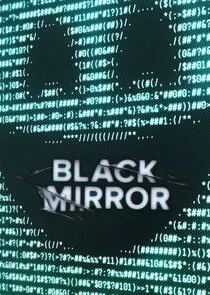
Black Mirror is a British anthology TV series created by Charlie Brooker. It’s best known for its sharp, often disturbing takes on technology and how it reshapes human relationships, politics, entertainment, and identity. If you’re expecting a traditional sci-fi show with ongoing characters and long story arcs, this isn’t that. Black Mirror is more like a collection of short films, each with its own world, rules, and moral dilemma.
What to Expect When Watching Black Mirror
Expect uncomfortable questions rather than easy answers. Black Mirror doesn’t focus on futuristic gadgets just to look cool - technology is usually a mirror for human flaws: obsession, cruelty, loneliness, power, and control. Some episodes are deeply emotional, others cynical or satirical, and a few are intentionally shocking.
Tonal variety is a big part of the experience. One episode might feel like a psychological thriller, another like political satire, and another like a tragic love story. Not every episode is bleak, but even the hopeful ones tend to leave you thinking long after the credits roll.
How the Show Is Structured
Black Mirror is an anthology series. Each episode is standalone, with new characters, settings, and timelines. You can watch episodes in any order, and skipping seasons won’t leave you confused.
That said, there are small Easter eggs and shared references - fictional companies, news headlines, or technologies that reappear across episodes. These hints suggest a loosely connected universe, but they’re never required to understand the story.
What Themes Does Black Mirror Tackle?
Black Mirror focuses on how technology amplifies existing human behavior rather than creating new problems from scratch. Common themes include:
- Social media validation and public shaming
- Surveillance, privacy, and data control
- Artificial intelligence and digital consciousness
- Reality TV, media manipulation, and mass entertainment
- Power structures, politics, and moral compromise
- Love, grief, and memory in a digital age The show often asks: just because we can do something, should we?
Runtime and Format
Episodes typically run between 40 and 70 minutes, depending on the story. Some later episodes feel closer to full-length films than TV episodes. Seasons are short, usually containing 3 to 6 episodes, which makes the show easy to binge or sample selectively.
Language and Availability
The primary language is English. Most episodes are British productions, especially in early seasons, while later seasons include more international and American settings.
Black Mirror originally aired on Channel 4 in the UK and later moved to Netflix, where all seasons are now available.
Important Episodes to Start With
If you’re new to Black Mirror, these episodes are widely considered essential:
The National Anthem (Season 1, Episode 1) A brutal introduction to the show’s tone and media critique. Shocking, uncomfortable, and impossible to ignore.
Fifteen Million Merits (Season 1, Episode 2) A dystopian take on entertainment culture, talent shows, and performative rebellion.
White Bear (Season 2, Episode 2) A fast-paced psychological episode that completely recontextualizes itself by the end.
San Junipero (Season 3, Episode 4) One of the most emotional and hopeful episodes, focusing on love, memory, and digital afterlife.
Nosedive (Season 3, Episode 1) A sharp satire of social media ratings and forced positivity, often cited as one of the most relatable episodes.
Final Verdict
Black Mirror stands out because it doesn’t predict the future — it exaggerates the present. Its strength lies in making familiar technologies feel strange, dangerous, or heartbreaking by pushing them just a little further than reality. Not every episode lands the same way, but the best ones are unforgettable and still relevant years after release.
If you’re looking for a series you can dip into at your own pace, with episodes that spark real discussion, Black Mirror is absolutely worth watching.


Comments
1Amazing show, dark and fitting todays world :/